
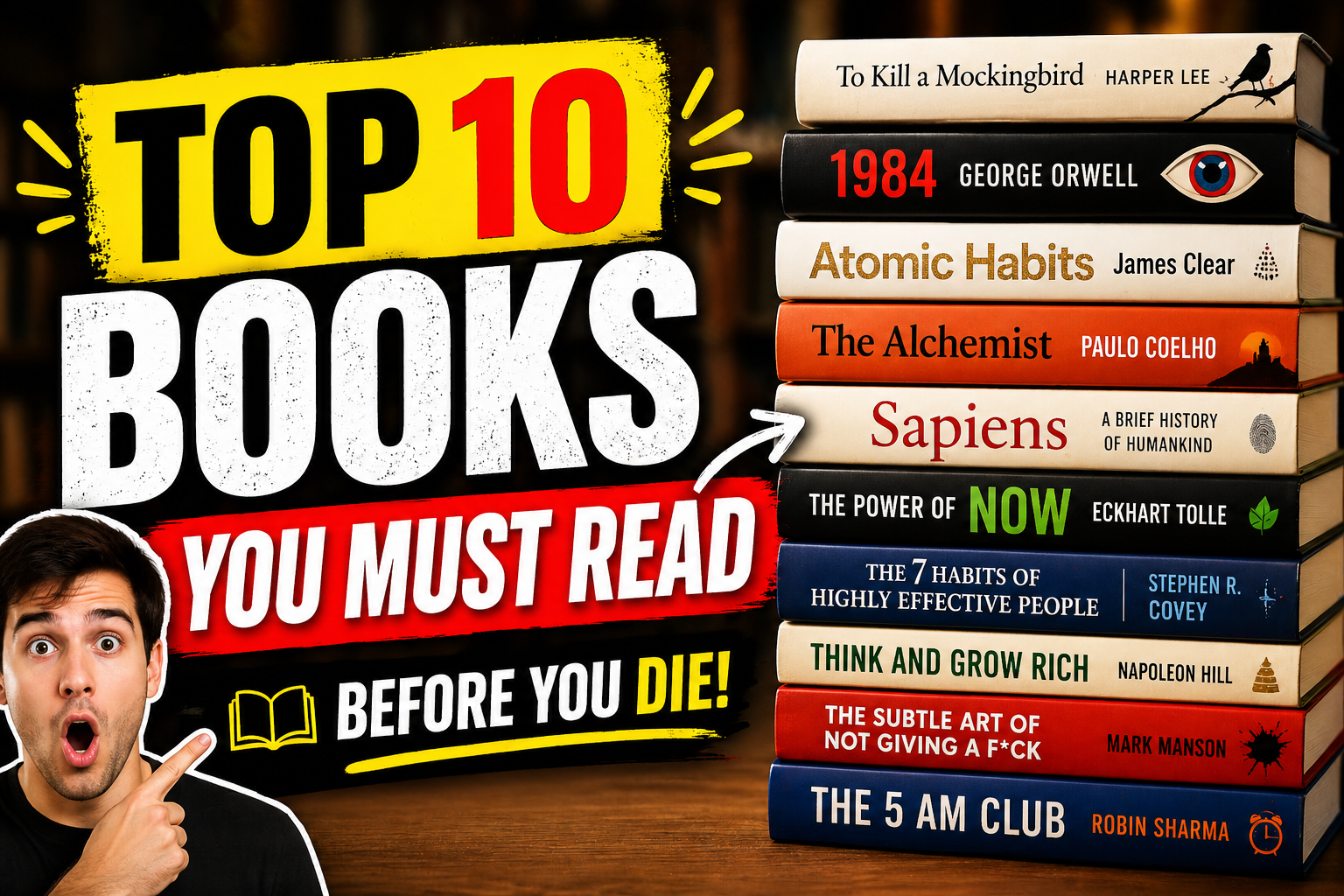
Some books entertain us for a few days, while others stay with us for a lifetime. They shape the way we think, challenge our beliefs, and help us see the world through a wider lens. The Top 10 books are not just stories on a page. They become companions in different stages of life, offering wisdom, comfort, perspective, and sometimes even the words we did not know we needed.
In a world filled with endless new releases, trending titles, and short attention spans, a few books continue to stand above the rest. These are the books that readers return to across generations because their themes remain timeless. They speak about love, loss, justice, identity, ambition, fear, hope, and the deeper questions of what it means to be human.
This list of 10 books everyone should read in their lifetime is not just about literary fame. It is about books that leave a lasting mark. Whether they make you think more deeply, feel more strongly, or understand life more clearly, each of these works offers something that goes beyond entertainment. They invite you to slow down, reflect, and carry a part of their message with you long after the final page.
What Makes a Book Worth Reading in a Lifetime
Not every bestselling book becomes unforgettable, and not every classic leaves the same mark on every reader. A book becomes worth reading in a lifetime when it offers something deeper than simple entertainment. It continues to matter across generations, speaks to experiences that remain universal, and leaves readers with thoughts that stay long after the final page.
Timeless themes matter most
The books that endure are usually the ones built around timeless themes. Love, loss, power, justice, identity, ambition, fear, hope, and freedom are not tied to one era alone. These are questions that every generation returns to in its own way. That is why some books written decades or even centuries ago still feel strikingly relevant today. Their settings may be different, but their emotional and moral core remains familiar.
Great books offer depth, not just story
A truly important book does more than tell readers what happens next. It asks them to think about why events unfold the way they do, what they reveal about human nature, and what they say about the society in which they are set. Some books challenge social and political systems. Others explore grief, loneliness, resilience, or the quiet struggles of everyday life. What makes them memorable is their ability to combine storytelling with insight.
Influence gives a book lasting value
Some books earn a place on a lifetime reading list because they have shaped the world around us. They influence literature, public thought, education, and cultural conversation in ways that go far beyond their original publication. Their characters, ideas, and symbols become part of public memory. Even people who have never read them often recognise their themes because these works have left a lasting imprint on society.
The best books change the reader
Perhaps the clearest sign of a meaningful book is that it changes the reader in some way. A great book may broaden perspective, deepen empathy, challenge assumptions, or provide clarity at an important moment in life. It may not always offer comfort, but it leaves behind understanding. These are the books that return to the mind years later, often with new meaning each time they are remembered.
In the end, a book worth reading in a lifetime is one that continues to speak, even after it has been finished. It grows with the reader, offering something valuable at different stages of life. That is what separates a good book from a lasting one.
The First Five Must-Read Books
A lifetime reading list should include books that do more than entertain. They should challenge the mind, deepen emotional understanding, and stay relevant across time. The first five books in this list are widely regarded as works that continue to shape readers across generations.
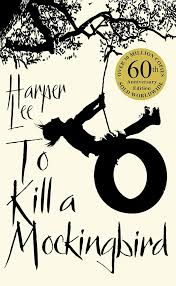
1. To Kill a Mockingbird by Harper Lee
Set in the American South, this novel explores racism, justice, morality, and childhood innocence through the eyes of Scout Finch. At its heart, it is a story about learning to see the world with empathy while confronting the harsh realities of prejudice.
- Why it matters: This book remains powerful because it speaks about fairness, courage, and moral responsibility in a deeply human way. It reminds readers that doing what is right is not always easy, but it is always necessary.
- What readers can learn: It teaches empathy, integrity, and the importance of standing up for justice even when the odds are against you.
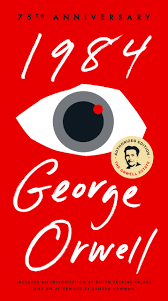
2. 1984 by George Orwell
This dystopian classic presents a world shaped by surveillance, censorship, and authoritarian control. Through the life of Winston Smith, the novel shows how power can manipulate truth, language, and even personal thought.
- Why it matters: 1984 continues to feel relevant because it raises urgent questions about freedom, political control, and the fragile nature of truth. It is one of the most important books for understanding the dangers of unchecked power.
- What readers can learn: It encourages readers to value independent thought, question authority, and recognise how language and information can shape reality.
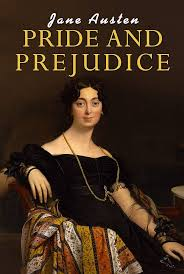
3. Pride and Prejudice by Jane Austen
This novel follows Elizabeth Bennet as she navigates family expectations, social pressures, and her evolving understanding of love and character. With wit and emotional intelligence, Austen explores class, marriage, and human pride.
- Why it matters: Pride and Prejudice is not simply a love story. It is a sharp reflection on social behaviour, personal growth, and the mistakes people make when they judge too quickly.
- What readers can learn: It teaches humility, self-awareness, and the value of looking beyond first impressions.
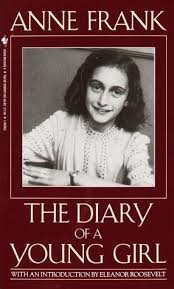
4. The Diary of a Young Girl by Anne Frank
Written during the Holocaust, Anne Frank’s diary offers a moving account of fear, hope, confinement, and the inner life of a young girl living through one of history’s darkest periods.
- Why it matters: This book gives history a deeply personal voice. Rather than presenting tragedy through distant facts, it reveals the emotional reality of human suffering and resilience.
- What readers can learn: It teaches gratitude, courage, and the importance of preserving humanity even in times of cruelty and uncertainty.
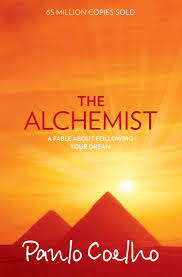
5. The Alchemist by Paulo Coelho
This modern classic tells the story of Santiago, a shepherd boy who leaves home in search of treasure and discovers deeper truths about purpose, dreams, and self-belief along the way.
- Why it matters: The Alchemist has connected with readers around the world because of its simple but meaningful message about listening to one’s heart and pursuing a life of purpose.
- What readers can learn: It encourages faith in one’s journey, openness to life’s lessons, and the courage to follow personal dreams.
These five books offer very different reading experiences, yet all of them leave readers with something lasting. Some sharpen moral understanding, some expand political awareness, and others speak to the inner search for meaning. Together, they form a strong beginning to a list of books worth reading in a lifetime.
The Next Five Must-Read Books
The second half of this list brings together books that expand the reader’s moral, emotional, and philosophical understanding of life. Some of these works are reflective and intimate, while others are sweeping and unforgettable in their scale. What connects them is their ability to stay relevant long after the final page.
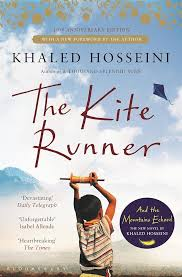
6. The Kite Runner by Khaled Hosseini
Set against the backdrop of a changing Afghanistan, The Kite Runner is a deeply moving story of friendship, guilt, betrayal, and redemption. Through the relationship between Amir and Hassan, the novel explores how personal choices can shape a lifetime.
- Why it matters: This book leaves a strong impact because it combines personal emotion with history, social division, and moral responsibility. It reminds readers that regret can be heavy, but the search for redemption remains deeply human.
- What readers can learn: It teaches empathy, accountability, and the difficult but necessary journey of facing one’s past.
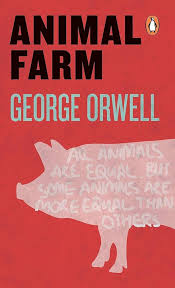
7. Animal Farm by George Orwell
On the surface, Animal Farm is a short and simple story about farm animals who revolt against their owner. In reality, it is a sharp political allegory about power, corruption, and the betrayal of revolutionary ideals.
- Why it matters: Its message remains timeless because it shows how power can slowly distort noble intentions. Even though it is brief, the book carries an important warning about leadership, manipulation, and inequality.
- What readers can learn: It teaches readers to question authority, recognise hypocrisy, and understand how easily power can be abused.
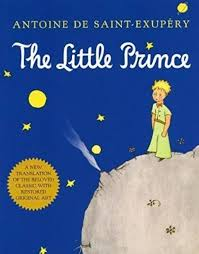
8. The Little Prince by Antoine de Saint-Exupéry
This beloved classic may appear to be a children’s story, but its reflections on love, loneliness, innocence, and human nature give it lasting meaning for readers of all ages. Through the journey of the little prince, the book gently explores what truly matters in life.
- Why it matters: The beauty of this book lies in its simplicity. It strips life down to its emotional truths and reminds readers that adulthood often causes people to lose sight of what is essential.
- What readers can learn: It teaches tenderness, emotional clarity, and the importance of seeing beyond appearances.
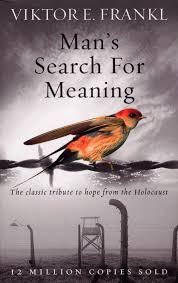
9. Man’s Search for Meaning by Viktor E. Frankl
Written by psychiatrist and Holocaust survivor Viktor Frankl, this book reflects on suffering, survival, and the human search for purpose. Drawing from his experience in concentration camps, Frankl argues that meaning can sustain people even in the darkest circumstances.
- Why it matters: This is one of the most powerful books ever written on resilience and the inner life. It does not deny suffering, but it shows that human beings can still choose dignity, purpose, and hope.
- What readers can learn: It teaches resilience, perspective, and the idea that meaning is often what helps people endure hardship.
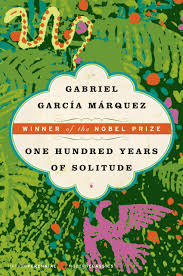
10. One Hundred Years of Solitude by Gabriel García Márquez
This landmark novel tells the story of the Buendía family across generations in the fictional town of Macondo. Rich with memory, myth, history, and human contradiction, it is a book that captures both the magic and tragedy of life.
- Why it matters: This novel stands out because it expands the possibilities of storytelling itself. It blends the personal and the political, the real and the surreal, to show how families, societies, and histories repeat themselves in unexpected ways.
- What readers can learn: It teaches readers about memory, solitude, legacy, and the complexity of human existence.
Together, these five books add emotional range and philosophical depth to the list. They speak about guilt, power, innocence, survival, and history in ways that continue to resonate across cultures and generations. Read alongside the first five, they help create a lifetime reading list that is not only diverse in style, but also rich in insight.
What These Books Teach Us About Life
The true value of a lifetime reading list lies not only in the stories themselves, but in the lessons that remain after the books are finished. The ten books in this list come from different time periods, cultures, and styles of writing, yet they all return to a few enduring truths about life. Together, they show that great literature does not simply inform or entertain. It deepens the way we understand ourselves, other people, and the world around us.
Life is rarely simple
One of the clearest lessons these books offer is that life cannot be reduced to easy answers. People are often flawed, circumstances are often unfair, and moral choices are rarely straightforward. Books like To Kill a Mockingbird, The Kite Runner, and 1984 remind readers that right and wrong may seem clear in principle, but living through difficult situations demands courage, honesty, and reflection. Great books prepare readers to sit with complexity rather than avoid it.
Empathy is one of the most important human strengths
Many of these works endure because they make readers step into lives far removed from their own. Whether it is Anne Frank writing from hiding, Elizabeth Bennet navigating social expectations, or the little prince observing the strange habits of adults, each book invites readers to see the world through another mind and heart. This is one of literature’s greatest gifts. It teaches that understanding others is not a weakness. It is one of the foundations of wisdom.
Power, truth, and freedom must never be taken for granted
Several of the books on this list are powerful because they warn readers about what happens when truth is manipulated and power goes unquestioned. 1984 and Animal Farm are especially important in this regard, but the lesson extends beyond politics. These books teach that freedom is fragile, language can be distorted, and silence can make injustice stronger. They remind readers to think independently and to recognise the value of truth in both public and private life.
Suffering can deepen meaning
Not all of these books are comforting, but many of them offer something more valuable than comfort. They show that pain, loss, guilt, and loneliness are part of the human experience, yet they do not have an empty life of meaning. Man’s Search for Meaning, The Diary of a Young Girl, and The Kite Runner especially reveal that even in hardship, people can hold on to dignity, hope, and the possibility of inner strength. This is one of the most powerful lessons literature can offer.
Growth begins with self-awareness
A number of these books also show that maturity begins when people learn to see themselves honestly. Pride, fear, prejudice, ambition, regret, and illusion can all distort judgment. Books such as Pride and Prejudice and The Alchemist reveal that personal growth often comes from humility, reflection, and the willingness to change. In that sense, reading itself becomes an act of self-examination. The reader does not just observe the characters. The reader also begins to question personal assumptions and beliefs.
In the end, these books teach that life is shaped by more than success or failure alone. It is shaped by character, compassion, truth, resilience, and the search for meaning. That is why the best books stay with us for years. They do not just fill time. They help us live with greater depth and awareness.
Conclusion
The books we remember for life are rarely the ones that simply entertain us for a moment. They are the ones that challenge our thinking, stir our emotions, and leave behind lessons that continue to grow with us over time. The ten books in this list have earned their place because they speak to questions that never lose relevance: how to live with courage, how to understand others, how to face injustice, how to carry loss, and how to search for meaning in an uncertain world.
Reading these books is not about finishing a famous list or keeping up with literary classics. It is about giving yourself the chance to engage with ideas and experiences that can deepen your understanding of life. Some of these works may move you immediately, while others may reveal their value slowly. But each of them offers something that stays beyond the final chapter.
In the end, the best books do not just sit on a shelf after being read. They remain in memory, return in moments of reflection, and shape the way we see people, society, and ourselves. That is what makes them worth reading in a lifetime.