Human resources management sits at the center of every successful organization — it's the function that finds the right people, develops them, and keeps them engaged long after the offer letter is signed. The Vskills Certified Human Resources Manager course is built for professionals who want to prove they can do this well. Whether you're new to HR and looking for your first break, or already managing a team and eyeing a promotion, this certification validates your grasp of core HRM strategy: recruitment, performance management, compensation, employee relations, and compliance. It's a government-verified credential that stays on your CV for life, backed by lifetime access to the e-learning material so you can revisit the concepts whenever you need them.
A certification is only as valuable as the credibility behind it — and that's exactly where Vskills HR Certification earns its place on your CV. As India's largest certification body, Vskills has built a reputation across hundreds of professional domains, which means employers don't just see a badge — they see a standard they already trust.
This course is built for anyone who deals with people management as part of their career, at any stage of that journey.
The course covers the full scope of strategic human resource management, including:
The exam itself is 60 minutes, with 50 questions and no negative marking — a straightforward, low-pressure format designed to test applied understanding rather than memorization.
For the complete module-by-module syllabus, refer to the Human Resources Table of Contents.
| Detail | Information |
|---|---|
| Exam Format | Online — attempt from anywhere, anytime |
| Number of Questions | 50 multiple-choice questions |
| Duration | 60 minutes |
| Passing Score | 25 out of 50 (50%) — no negative marking |
| Certificate Validity | Lifetime — no renewal required |
| e-Learning Access | Lifetime access to LMS and future content updates |
| Result | Instant — available immediately after exam completion |
| Language | English |
By the end of this certification, you won't just know HR theory — you'll be able to apply it. The course is built around the real decisions HR managers make every day, so each concept ties back to a practical skill you can use on the job immediately: running a fair hiring process, structuring compensation, managing performance conversations, and staying compliant as regulations shift. Here's what that looks like broken down by area:
| Job Role | Industry | Avg. Salary (India) | Experience Level |
|---|---|---|---|
| HR Executive | IT, Retail, Manufacturing | ₹3 – ₹5 LPA | Fresher – 2 years |
| HR Generalist | IT, BFSI, FMCG | ₹5 – ₹8 LPA | 2 – 4 years |
| Talent Acquisition Manager | IT, Consulting, Retail | ₹7 – ₹12 LPA | 3 – 6 years |
| HR Manager | IT, BFSI, Manufacturing | ₹9 – ₹15 LPA | 4 – 7 years |
| HR Business Partner | IT, Pharmaceuticals, MNC | ₹12 – ₹20 LPA | 6 – 9 years |
| Senior HR Manager / Head of HR | Large Enterprises, MNC | ₹18 – ₹30 LPA | 9 – 12 years |
| VP HR / CHRO | Large Enterprises, MNC | ₹35 – ₹55 LPA | 15+ years |
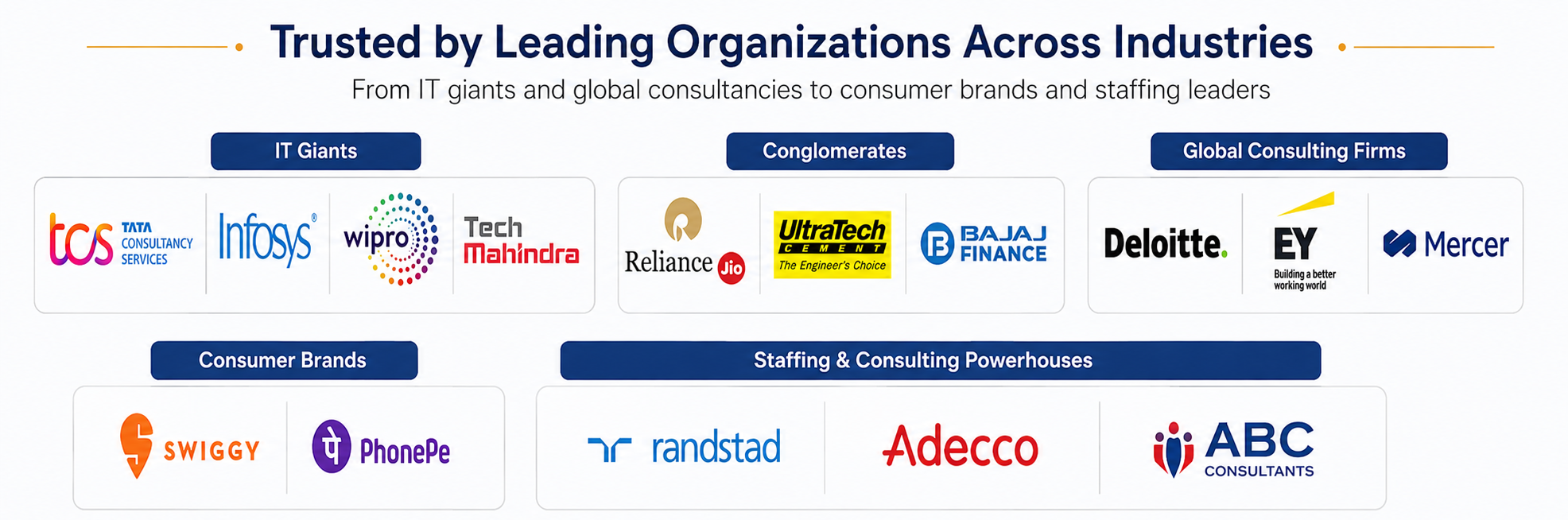
HR talent is always in demand — and certified professionals aren't limited to one industry. IT giants like TCS, Infosys, Wipro, and Tech Mahindra run massive HR operations, while conglomerates such as Reliance Jio, UltraTech Cement, and Bajaj Finance rely on strong people teams to scale. Global consulting names like Deloitte, EY, and Mercer hire HR talent for strategic roles, and consumer brands like Swiggy and PhonePe need HR expertise to keep fast-growing teams engaged. Add in staffing and consulting powerhouses like Randstad, Adecco, and ABC Consultants, and the message is clear: this certification opens doors across sectors, not just one.
http://vskills.in/certification/tutorial/human-resources/certified-human-resources-manager/
https://www.vskills.in/practice/human-resources-manager
.jpg "How to Become a Talent Acquisition Specialist | Learn with Navin Patel (TA Head - Affine)") ►
►
 ►
►
 ►
►
 ►
►
 ►
►
 ►
►
 ►
►
 ►
►
 ►
►
 ►
►
Get answers about eligibility, exam pattern, career scope, validity, jobs and enrolment for the Vskills Certified Human Resources Manager Certification.
Build expertise in recruitment, performance management, compensation and employee relations with a govt certified lifetime credential.
I'd been doing HR generalist work for a couple of years but never had anything formal to show for it. This course filled in the gaps, all the concepts were clear and to the point. The practice tests really helped.
- Prashant Goutam, HR Generalist at WNSUsed this certification to move from recruitment into a full HR manager role. The syllabus covered everything i need to know, faced similar kind of interviews questions. Genuinely useful, Thanks.
- Sagar Dewan, Sr. HR Executive at MyntraSolid course for the price, and I liked that it's self-paced since I was in a full-time job role. The indepth-content and mock papers helped me to clear the exam in first go.
- Sunanda Dixit, HR Generalist at AccentureTook this after almost a decade in HR just to formalize what I already knew, and honestly it was a good refresher, government-verified, and recognized by employers.
- Himani Garg, Process Manager at Tide