Certified Human Resources Manager

How It Works

  1. 1. Select Certification & Register
  2. 2. Receive Online e-Learning Access (LMS)
  3. 3. Take exam online anywhere, anytime
  4. 4. Get certified & Increase Employability

Test Details

  • Duration: 60 minutes
  • No. of questions: 50
  • Maximum marks: 50, Passing marks: 25 (50%).
  • There is NO negative marking in this module.
  • Online exam.

Benefits of Certification

  • Government certification
  • Certification valid for life
  • Lifelong e-learning access
  • Learning Hours: 35 hrs
  • Life Time Job Support
  • Updated Feb 2026

$49.00 /-
Download Brochure

Human resources management sits at the center of every successful organization — it's the function that finds the right people, develops them, and keeps them engaged long after the offer letter is signed. The Vskills Certified Human Resources Manager course is built for professionals who want to prove they can do this well. Whether you're new to HR and looking for your first break, or already managing a team and eyeing a promotion, this certification validates your grasp of core HRM strategy: recruitment, performance management, compensation, employee relations, and compliance. It's a government-verified credential that stays on your CV for life, backed by lifetime access to the e-learning material so you can revisit the concepts whenever you need them.

Why Choose Vskills Human Certification?

A certification is only as valuable as the credibility behind it — and that's exactly where Vskills HR Certification earns its place on your CV. As India's largest certification body, Vskills has built a reputation across hundreds of professional domains, which means employers don't just see a badge — they see a standard they already trust.

  • Government-verified credential — This isn't a course-completion certificate handed out for finishing videos. It's backed by a formal, government-recognized verification process, so when you list it, recruiters can trust the skills behind it without needing to double-check.
  • Lifetime validity, zero renewal hassle — Earn it once and it's yours for good. There's no recurring fee, no re-certification exam, and no expiry date working against you years down the line — unlike many industry certifications that require periodic renewal.
  • Lifetime e-learning access — Your access to the course material doesn't end when you pass the exam. Come back to it before a big interview, when you're prepping for a new role, or simply to refresh a concept you haven't used in a while — the content stays with you indefinitely.
  • Free practice tests — Walk into the exam knowing exactly what to expect. Practice tests mirror the real exam format, so you can identify weak areas and build genuine confidence rather than guessing at what's coming.
  • A credential that travels with you — Because it's not tied to a single employer or platform, this certification stays relevant whether you're negotiating a promotion internally, switching companies, or pivoting into HR from another function.

Who Should Enroll?

This course is built for anyone who deals with people management as part of their career, at any stage of that journey.

  • Working HR professionals who already handle recruitment, performance reviews, or employee relations day-to-day, but want a formal credential that validates that experience — something concrete to point to when making the case for a promotion, a raise, or a bigger role.
  • Active job seekers in HR competing in a crowded market, where a government-verified certification can be the difference between a CV that gets shortlisted and one that gets lost in the pile.
  • Career switchers moving into human resources from adjacent fields like administration, operations, or business management, who need a structured way to learn HRM fundamentals rather than picking them up piecemeal on the job.
  • HR managers and generalists who've been in the field for years but want to make sure their approach reflects current thinking on employment law, workforce strategy, and performance management, not just what worked a decade ago.
  • Students and early-career professionals who want a head start — entering the job market with a recognized HR credential already in hand, rather than competing purely on internships or a degree.
  • Team leads and line managers who aren't in HR by title but manage people directly, and want a stronger grasp of hiring, motivation, and performance so they can lead their teams more effectively.

What You Will Learn?

The course covers the full scope of strategic human resource management, including:

  • Core HRM concepts, theories, and the HR manager's role within an organization
  • Recruitment and selection strategies — sourcing, screening, and hiring the right talent for different organizational needs
  • Workforce staffing and team analysis across varied business scenarios
  • Training and development frameworks to build employee capability over time
  • Performance management — setting standards, evaluating output, and handling reviews fairly
  • Compensation, rewards, and benefits structures that keep employees motivated
  • Employee relations and the drivers of morale, motivation, and retention
  • Leadership skills specific to managing and developing people
  • Compliance essentials — keeping HR practices aligned with employment laws and regulations

The exam itself is 60 minutes, with 50 questions and no negative marking — a straightforward, low-pressure format designed to test applied understanding rather than memorization.

For the complete module-by-module syllabus, refer to the Human Resources Table of Contents.

Exam and Certification Details

DetailInformation
Exam FormatOnline — attempt from anywhere, anytime
Number of Questions50 multiple-choice questions
Duration60 minutes
Passing Score25 out of 50 (50%) — no negative marking
Certificate ValidityLifetime — no renewal required
e-Learning AccessLifetime access to LMS and future content updates
ResultInstant — available immediately after exam completion
LanguageEnglish

Course Outcome

By the end of this certification, you won't just know HR theory — you'll be able to apply it. The course is built around the real decisions HR managers make every day, so each concept ties back to a practical skill you can use on the job immediately: running a fair hiring process, structuring compensation, managing performance conversations, and staying compliant as regulations shift. Here's what that looks like broken down by area:

Job Role Industry Avg. Salary (India) Experience Level
HR Executive IT, Retail, Manufacturing ₹3 – ₹5 LPA Fresher – 2 years
HR Generalist IT, BFSI, FMCG ₹5 – ₹8 LPA 2 – 4 years
Talent Acquisition Manager IT, Consulting, Retail ₹7 – ₹12 LPA 3 – 6 years
HR Manager IT, BFSI, Manufacturing ₹9 – ₹15 LPA 4 – 7 years
HR Business Partner IT, Pharmaceuticals, MNC ₹12 – ₹20 LPA 6 – 9 years
Senior HR Manager / Head of HR Large Enterprises, MNC ₹18 – ₹30 LPA 9 – 12 years
VP HR / CHRO Large Enterprises, MNC ₹35 – ₹55 LPA 15+ years

Companies that hire Human Resources Professional

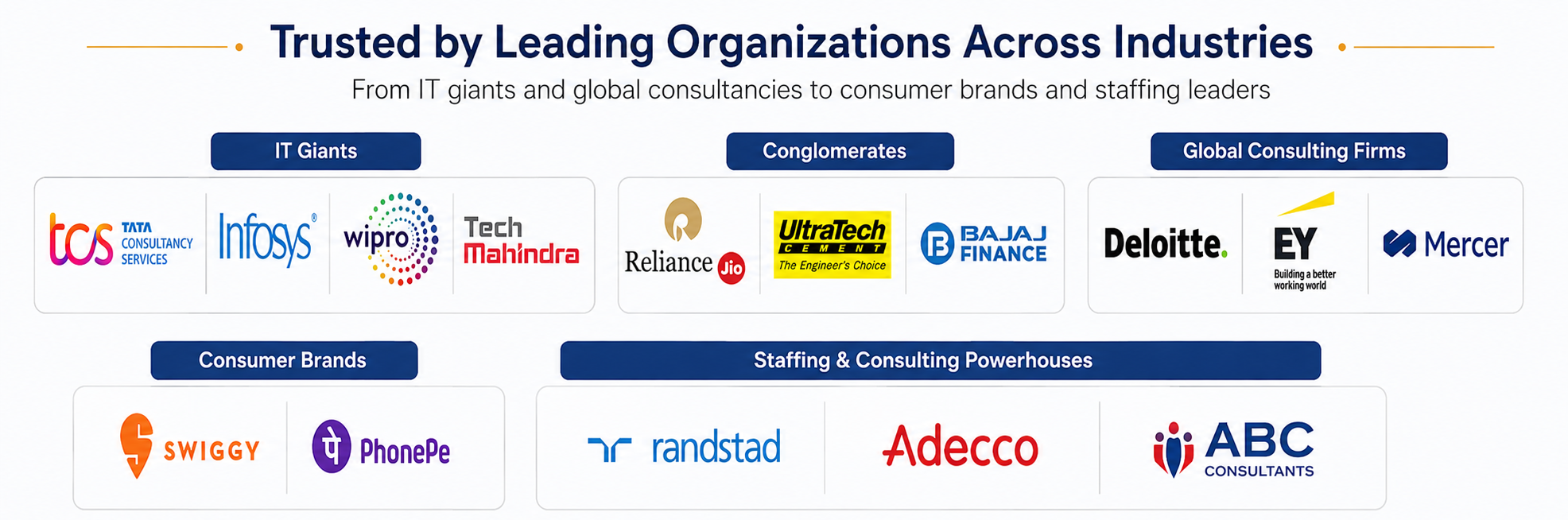
HR talent is always in demand — and certified professionals aren't limited to one industry. IT giants like TCS, Infosys, Wipro, and Tech Mahindra run massive HR operations, while conglomerates such as Reliance Jio, UltraTech Cement, and Bajaj Finance rely on strong people teams to scale. Global consulting names like Deloitte, EY, and Mercer hire HR talent for strategic roles, and consumer brands like Swiggy and PhonePe need HR expertise to keep fast-growing teams engaged. Add in staffing and consulting powerhouses like Randstad, Adecco, and ABC Consultants, and the message is clear: this certification opens doors across sectors, not just one.
Human Resources Manager Tutorial

http://vskills.in/certification/tutorial/human-resources/certified-human-resources-manager/

Human Resources Manager Practice Test

https://www.vskills.in/practice/human-resources-manager

Human Resources Manager Interview Questions

https://www.vskills.in/interview-questions/human-resources-interview-questions/hr-interview-questions

Human Resources Manager Related Blogs

HR Expert Interview Series

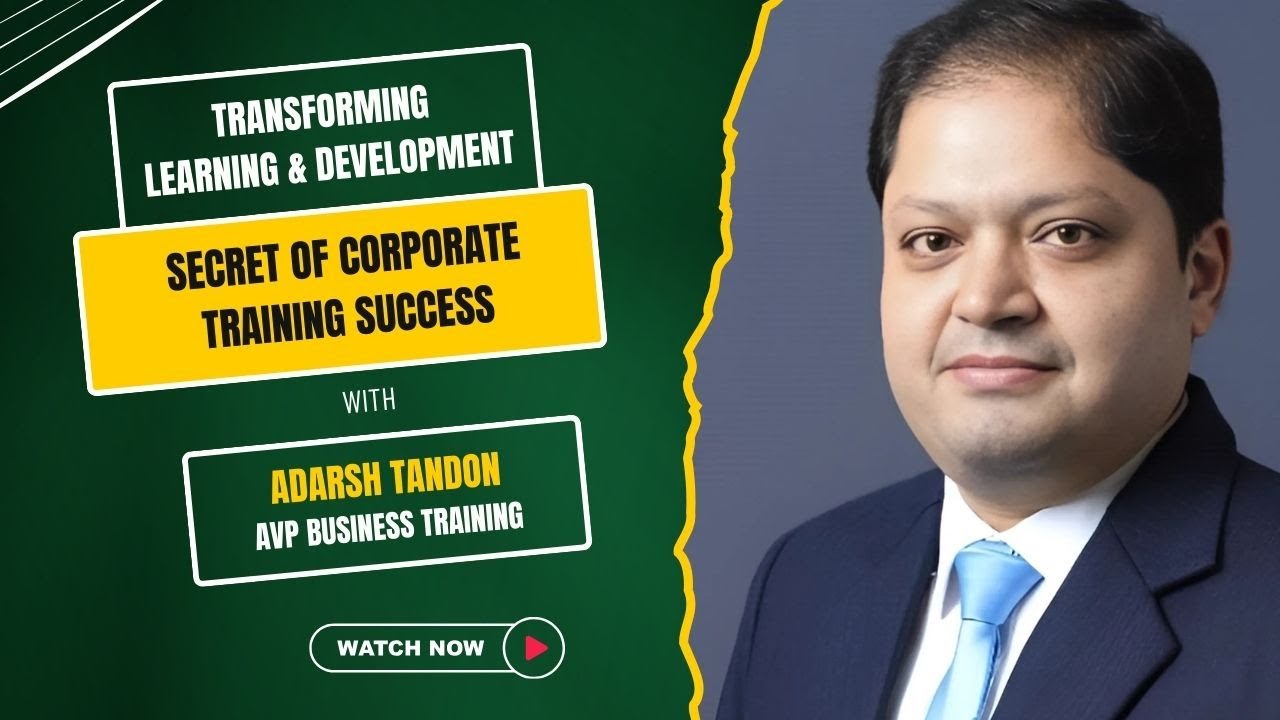
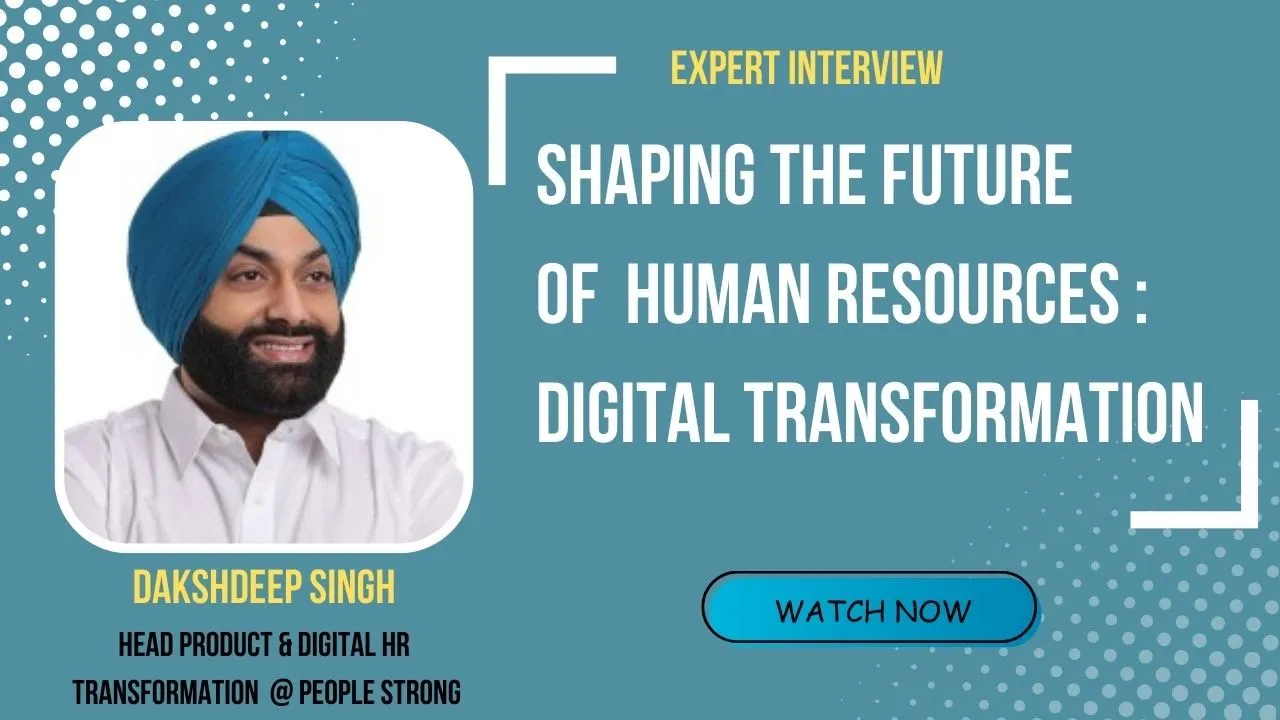
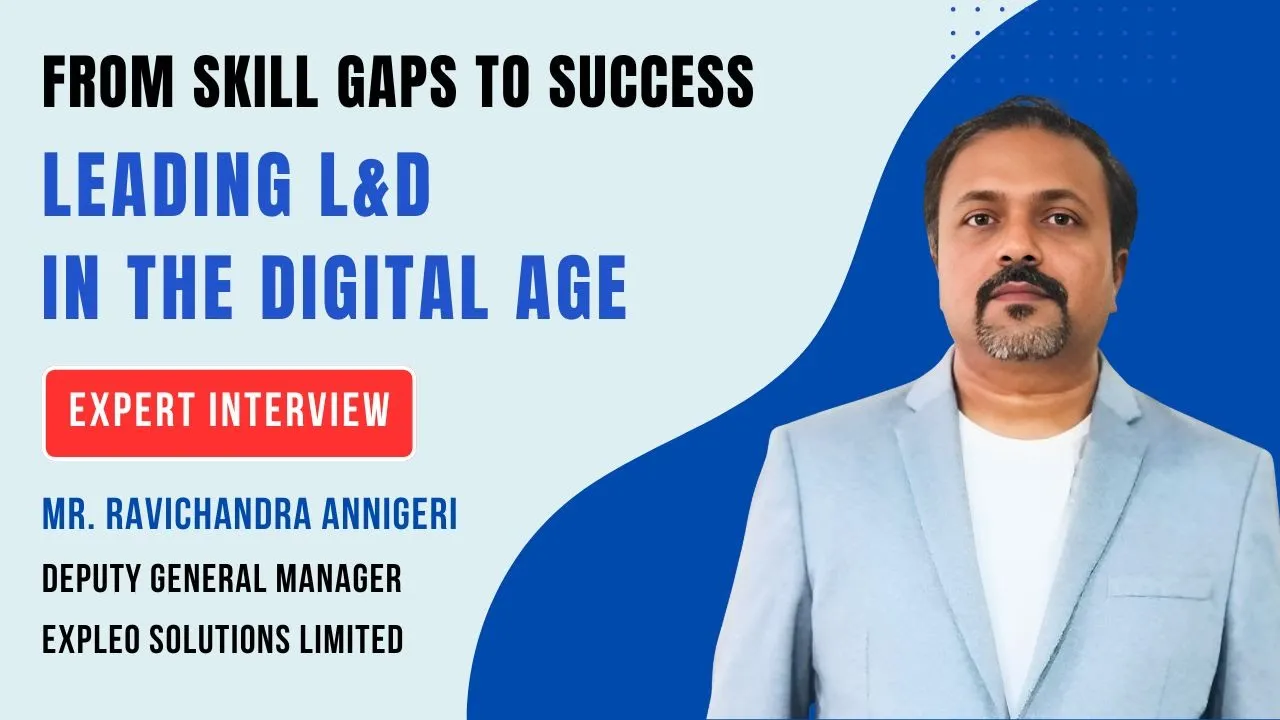
How to Become a Talent Acquisition Specialist Learn with Navin Patel (TA Head - Affine) | Vskills Secret to Corporate Training Success | Transforming L&D | Adarsh Tandon - Head Business Training Shaping the Future of HR: Learn Digital Transformation - Dakshdeep Singh | Senior VP  @peoplestrong  Top 5 Skills to Succeed in Learning and Development: Learn to lead with Mr. Ravichandra Annigeri

Secrets to Success: Building Future Leaders with Dr. Ajit Kumar Kar Future of Hiring: Expert Insights on Talent Acquisition - Learn Trends & Pro Tips with Aditya Singh How to Succeed as an HR Business Partner | Strategies for Success | Insights from Krupa Yati @ NEPA How to build a  Career in Training & Development | Sumesh Khatua | KPMG -Director Talent Development

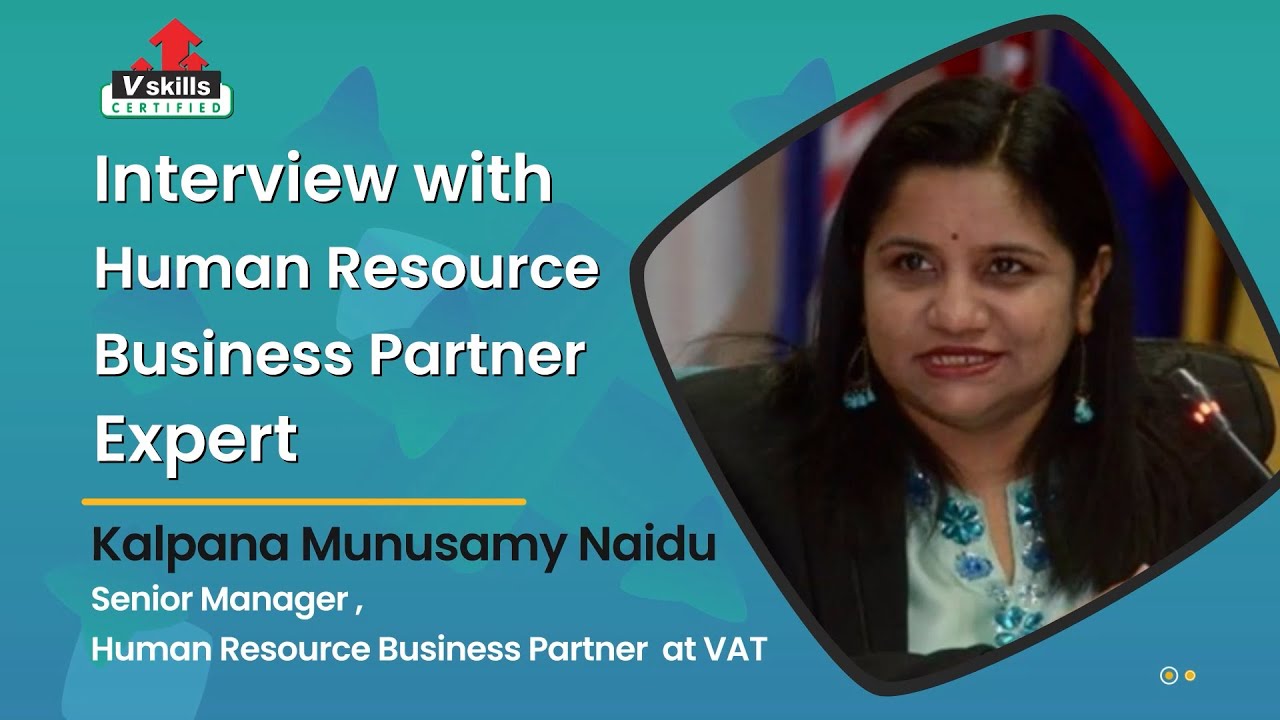
What are the qualities employers look for while hiring | Learn with Mr. Raana Govind NayakDifference between the role of a HRBP and HR specialist? | Learn with Ms Kalpana Munusamy What is the role of HR Business Partner in HR? | Learn with HRBP Expert | Dr. Manish Chandel Interview with Talent Management Expert - Ms. Debalina Roy

Jobs in Human Resources

Checkout the various job openings in the field of Human resources (HR), click here..

Vskills Internship for HR Aspirants

Vskills runs its flagship internship program where bright interns work with academic council, click to know more details..

Vskills Certified Human Resources Manager – Frequently Asked Questions

Get answers about eligibility, exam pattern, career scope, validity, jobs and enrolment for the Vskills Certified Human Resources Manager Certification.

Human resources (HR) refers to the function within an organization responsible for managing its people — from hiring and onboarding to training, performance management, compensation, employee relations, and legal compliance. In short, HR is the bridge between an organization's business goals and the workforce that delivers them.
The "best" certification depends on your career stage and goals. If you're building a broad foundation in strategic HR management — recruitment, performance, compensation, and compliance — a generalist credential like the Vskills Certified Human Resources Manager course is a strong starting point. If you're already specialized, such as in analytics or compensation, a niche certification may serve you better.
Yes, particularly if you're trying to stand out in a competitive job market or move into a higher-responsibility role. A recognized certification signals to employers that your HR knowledge has been formally tested, not just picked up informally on the job — which matters most for career switchers, early-career professionals, and anyone pursuing a promotion.
Yes. Vskills offers placement support to all certified candidates by sharing their profile directly with recruiters, and the Vskills job board is available for you to apply to relevant openings. You also get your profile tagged on job portals and can request a LinkedIn recommendation to strengthen your professional visibility.
Look for courses that combine a recognized, ideally government-verified, certificate with practical coverage of core HR functions — recruitment, performance management, compensation, and compliance — plus lifetime access to learning material so you can revisit concepts as your role evolves.
Yes. Self-paced, online HR certifications are built specifically for working professionals who need to study around a job — no fixed class timings, and lifetime access to course material so you can prepare on your own schedule rather than a rigid syllabus.
HR is commonly broken into seven core pillars: recruitment and selection, training and development, performance management, compensation and benefits, employee relations, HR compliance, and workforce planning. A well-rounded HR certification should touch on all seven.
It can be, especially as you move up the ladder. Entry-level HR roles start modestly, but HR Managers, HR Business Partners, and senior leadership roles like CHRO command significantly higher salaries — often driven by specialization, company size, and industry.
HR can be demanding at times — it involves handling sensitive employee issues, conflict resolution, and compliance pressure — but stress levels vary widely by organization, role, and how well-structured the HR processes are. Professionals with strong frameworks and training tend to manage these pressures more confidently.
No — AI is changing how HR work gets done, not replacing the function itself. Tools now handle repetitive tasks like resume screening and data analysis, but the judgment-heavy parts of HR — conflict resolution, culture-building, and strategic decision-making — still require human expertise. If anything, AI is raising the bar for HR professionals to be more analytically literate.
Vskills, being one of India's largest certification bodies, offers government-verified HR certifications covering generalist and specialized tracks — including the Certified Human Resources Manager, Compensation & Benefits Manager, and HR Analytics courses — making it a solid option for professionals across different HR specializations.
The exam consists of 50 questions to be completed in 60 minutes, with a minimum passing score of 50%. There's no negative marking, so you can attempt every question without the risk of losing marks for a wrong guess.
Yes. Once you pass the exam, the certification carries lifetime validity — there's no renewal fee or expiry date to worry about down the line.
Yes. Enrolled candidates get lifetime access to the e-learning material, along with free practice tests to help you prepare and build confidence before attempting the final exam.
It can meaningfully strengthen your case. While no certification guarantees a job on its own, a government-verified HR credential adds credibility to your CV, demonstrates formal knowledge of HR fundamentals, and gives you a concrete talking point when applying for new roles or making the case for a promotion.

Trusted Reviews for Vskills Certified Human Resources Manager

Build expertise in recruitment, performance management, compensation and employee relations with a govt certified lifetime credential.

4.9
★★★★★

Based on 39k+ verified learners

★★★★★

I'd been doing HR generalist work for a couple of years but never had anything formal to show for it. This course filled in the gaps, all the concepts were clear and to the point. The practice tests really helped.

- Prashant Goutam, HR Generalist at WNS
★★★★★

Used this certification to move from recruitment into a full HR manager role. The syllabus covered everything i need to know, faced similar kind of interviews questions. Genuinely useful, Thanks.

- Sagar Dewan, Sr. HR Executive at Myntra
★★★★

Solid course for the price, and I liked that it's self-paced since I was in a full-time job role. The indepth-content and mock papers helped me to clear the exam in first go. 

- Sunanda Dixit, HR Generalist at Accenture
★★★★★

Took this after almost a decade in HR just to formalize what I already knew, and honestly it was a good refresher, government-verified, and recognized by employers.

- Himani Garg, Process Manager at Tide

 
TABLE OF CONTENT

Chapter 1. Strategic Human Resource Management

  • Role, Significance & Objectives of Strategic HRM
  • Functions of Human Resource Management
  • Strategic HRM Models: Best Fit vs Best Practice vs Resource-Based View
  • Strategic Planning and Human Resource Practices
  • HR Career Paths & Roles: HRBP, COE, Shared Services, CHRO
  • HR Operating Models: HR Business Partner, Centre of Excellence, Shared Services
  • Aligning HR Strategy with Business Strategy: HR Value Chain
  • HR Policies, Employee Handbook & HR Manual Design

Chapter 2. Strategic Human Resource Planning (SHRP)

  • Purpose of Strategic Human Resource Planning
  • Methods used for Human Resource Planning
  • Strategic Human Resource Planning Process
  • Difficulties in Human Resource Planning
  • Prerequisites for Successful Human Resource Planning
  • Integrating Human Resource Planning into Strategic Planning
  • Workforce Demand & Supply Forecasting: Ratio Analysis, Trend Analysis, Delphi Method
  • Headcount Planning & Budgeting for HR
  • Contingent Workforce Planning: Gig Workers, Contractors, Hybrid Models

Chapter 3. Recruitment of the Right Resources (Job Analysis)

  • Job Analysis
  • Job Design
  • Job Description
  • Job Specifications
  • Job Evaluation
  • Competency Mapping & Competency Frameworks
  • Role Profiling for Modern Jobs: Remote, Hybrid, Cross-functional Roles

Chapter 4. Recruitment and Selection

  • Stages of an Effective Recruitment Process
  • Sources of Recruitment (Includes: job boards (Naukri, LinkedIn, Indeed), ATS, campus hiring, employee referrals, social recruiting)
  • Recruitment Policies
  • Equal Employment Opportunity & Anti-Discrimination Laws (PwD Act, Maternity Benefit Act, POSH Act)
  • Employee Selection
  • Techniques of Selection (Structured interviews, psychometric tests, assessment centres, video interviews, AI-based screening)
  • Induction / Orientation
  • Onboarding: 30-60-90 Day Plans, Pre-boarding, Digital Onboarding
  • Employer Branding & Candidate Experience
  • Applicant Tracking Systems (ATS): Overview & Best Practices
  • Recruitment Metrics: Time-to-Fill, Cost-per-Hire, Source of Hire, Offer Acceptance Rate
  • Background Verification & Reference Checks

Chapter 5. Training and Development

  • Nature and Importance of Training
  • Methods of Training (E-learning, microlearning, gamification, blended learning, on-the-job coaching, LMS platforms)
  • The Training Process
  • Role of Trainer vs L&D Manager vs Learning Business Partner
  • Human Resource Development (HRD)
  • Training Needs Analysis (TNA): Individual, Team & Organisational Level
  • Kirkpatrick's Four-Level Evaluation Model & Phillips ROI Framework
  • Skills Gap Analysis & Future-Readiness: Upskilling vs Reskilling
  • 70-20-10 Learning Model

Chapter 6. Performance Appraisal

  • Objectives and Strategies for Performance Appraisal
  • Methods of Performance AppraisalOKRs, 360-degree feedback, Balanced Scorecard, Forced Ranking (and its controversy), Continuous Performance Management
  • Performance Review Interview
  • Process of Performance Appraisal
  • Benefits of Performance Appraisal
  • OKRs (Objectives & Key Results): Setting, Tracking & Cascading
  • Continuous Performance Management & Real-Time Feedback Culture
  • Performance Improvement Plans (PIP): Process, Documentation & Legal Considerations
  • Linking Performance to Compensation & Career Growth

Chapter 7. Change Management

  • Reasons for Change
  • Types of Organizational Change
  • Update
  • McKinsey's 7-S Model and Kotter's 8-Step Model and ADKAR Model
  • Process of Change
  • Challenges in Change
  • HR's Role in Organizational Change: Communication, Resistance Management, Culture Alignment
  • Organisational Culture: Types, Assessment & Culture Transformation
  • Managing Change in Mergers, Acquisitions & Restructuring

Chapter 8. Career and Succession Planning

  • Significance of Career Planning and Progression
  • Career Anchors and Stages
  • Features and Process of Career Planning
  • Succession Planning — Features and Scope  
  • Major Factors Affecting Career Progression
  • 9-Box Grid: Performance × Potential Matrix & Its Application
  • Individual Development Plans (IDPs) & Mentoring Programmes
  • Internal Mobility & Talent Marketplace Platforms

Chapter 9. Compensation Management

  • Concept of Compensation
  • Job Evaluation and Compensation
  • Concept of Wage, Salary and Fringe Benefits (CTC structure (Basic, HRA, Special Allowance), statutory components (PF, ESI, Gratuity, Bonus), Total Rewards  framework)
  • Employee Stock Options (ESOPs)
  • Salary Negotiation & Offer Management (counter-offers, band-based offers, joining bonuses)
  • Compensation Benchmarking: Salary Surveys, Pay Bands & Market Positioning
  • Variable Pay & Incentive Structures: STI, LTI, Sales Incentives
  • Pay Equity & Gender Pay Gap Analysis
  • Statutory Compliance: PF, ESI, Gratuity, Minimum Wages Act, Payment of Bonus Act

Chapter 10. Trends in HRM

  • Human Resource Information Systems (HRIS) (SAP SuccessFactors, Workday, Darwinbox, Zoho People — HRIS selection, implementation, data governance)
  • Global HRM & Cross-Cultural Management: Expatriate Policy, Global Mobility
  • Knowledge Management
  • Future of Work: Remote & Hybrid Work Policies, Flexible Work Arrangements
  • AI & Automation in HR: Chatbots, AI Screening, Predictive Analytics
  • Diversity, Equity & Inclusion (DEI): Strategy, Metrics & Accountability
  • Employee Well-being: Mental Health, EAP, Burnout Prevention, POSH Compliance
  • Gig Economy & Workforce Flexibility: Managing Contract & Freelance Talent

Chapter 11. Corporate Social Responsibility

  • CSR: Definition, Regulatory Framework (Companies Act 2013, Schedule VII) & HR's Role
  • ESG (Environmental, Social & Governance) & HR's Role in People-Pillar Reporting
  • Sustainability & HR: Green HR Practices, Employee Volunteering, Social Impact

Chapter 12. Labour Law & Statutory Compliance (New Section)

  • India's 4 Labour Codes: Wages, IR, Social Security & OSH — Key Provisions
  • Shops & Establishments Act, Factories Act — Applicability & Compliance
  • POSH Act 2013: Prevention of Sexual Harassment — Policy, ICC & Compliance
  • Maternity Benefit Act, PwD Act, Equal Remuneration Act — HR Obligations
  • Disciplinary Procedures: Show Cause Notices, Domestic Enquiry, Termination
  • Grievance Handling: Process, Escalation & Resolution Framework

Chapter 13. Employee Relations, Engagement & Well-being (New Section)

  • Employee Engagement: Drivers, Measurement (eNPS, Pulse Surveys, Gallup Q12)
  • Employee Relations: Managing Unions, Works Councils, Collective Bargaining
  • Psychological Safety & Inclusive Work Culture
  • Employee Well-being Programmes: Mental Health, EAP, Flexible Benefits
  • Attrition Analysis & Retention Strategies: Stay Interviews, Exit Interviews
  • Quality of Work Life and Quality Circle

Write a review

Please login or register to review

 For Support