Certificate in Transaction Monitoring and Financial Crimes

How It Works

  1. 1. Select Certification & Register
  2. 2. Receive Online e-Learning Access (LMS)
  3. 3. Take exam online anywhere, anytime
  4. 4. Get certified & Increase Employability

Test Details

  • Duration: 60 minutes
  • No. of questions: 50
  • Maximum marks: 50, Passing marks: 25 (50%).
  • There is NO negative marking in this module.
  • Online exam.

Benefits of Certification


$59.00 /-
Download Brochure

Many millions of financial transactions are taking place across the globe every second. Transaction monitoring helps financial institutions instantly monitor transactions to combat financial crime and prevent frauds.

Transaction monitoring assesses historical and current customer interactions to provide a holistic picture of customer activity including transfers, deposits, and withdrawals. The assessment helps to raise alerts and investigations are done to confirm any financial crime or fraud being perpetuated.

Note: The course having online content only, no hard copy material

Why should one take Certificate in Transaction Monitoring and Financial Crimes?

The transaction monitoring helps to identify individuals, groups and organizations involved in frauds or financial crimes like terrorist financing, money laundering, and other crimes. Financial institutions and banks are mandated for AML compliance by implementing transaction monitoring. Transaction monitoring has gained importance due to increased financial crimes across the globe.

Vskills Certificate in Transaction Monitoring and Financial Crimes provides a hands-on approach to understand the nuances of transaction monitoring as well as understand AML and alerts to identify any financial crime.

The certification attests to your understanding and applying skills and knowledge in and helps you to stand out amongst your peers to help in gaining better career prospects.  

Why should one take Certificate in Transaction Monitoring and Financial Crimes?

The course consist of 12 comprehensive modules, across 25+ hours of structured online learning. Every module is aligned with current RBI guidelines, FATF recommendations, Indian regulatory requirements and also includes International Legislation.

Module 1. Intro to Financial Crime compliance

  • The financial crime landscape
  • Key stakeholders: regulators, FIUs, banks
  • Cost of financial crime — global & India
  • Rules-based vs risk-based approach
  • Three lines of defence model
  • Role of the MLRO / compliance officer

Module 2. Money Laundering Concept and Typologies

  • Defination and economic impact
  • Process of Money Laundering
  • Money Laundering Methods
  • Trade-based money Laundering (TBML)
  • Shell Companies, smurfing
  • Terrorism Financing (CFT)
  • Proliferation Financing
  • Case Studies

Module 3. Financial Crimes - Types & Risk

  • Definition and scope
  • Fraud, bribery, cybercrime, tax evasion, insider trading
  • Financial crime risk assessment
  • Financial crime controls
  • Perpetrators: individual, organised crime, state actors

Module 4. Regulatory and Legal Framework

  • FATF recommendations, grey/black lists
  • PMLA 2002
  • RBI master directions on KYC & AML
  • FIU-India mandate
  • FinCEN (USA), 6AMLD (EU), AUSTRAC
  • International cooperation
  • Sanctions regimes: OFAC, UN, EU

Module 5. KYC and Customer Due Diligence

  • KYC — purpose, principles, requirements
  • Customer identification program (CIP)
  • Standard CDD, EDD, simplified DD
  • PEPs
  • Beneficial ownership and UBO
  • Ongoing monitoring of customer relationships
  • Customer risk scoring
  • KYC refresh and periodic review

Module 6. Transaction Monitoring - Foundations

  • Purpose and regulatory basis of TM
  • TM within AML control framework
  • Rule-based vs risk-based monitoring
  • Transactional profiling
  • Monitoring thresholds and segmentation
  • Name screening
  • Sanctions screening
  • Transaction laundering
  • Data quality and system integration

Module 7. Transaction Monitoring Systems and Operations

  • Bank approaches to TM architecture
  • Batch vs real-time monitoring
  • Scenario design and typology mapping
  • Alert generation logic and scoring
  • False positive rates
  • System tuning and threshold calibration
  • AI and machine learning in TM
  • TM governance and model validation

Module 8. Alert Management and Investigation

  • The alert lifecycle: generation to disposition
  • Alert triage and prioritisation
  • Sources used in AML investigations
  • Step-by-step alert investigation process
  • Escalation protocols and case management
  • Link analysis and relationship mapping
  • Investigation challenges
  • Best practices

Module 9. Regulatory reporting

  • STR/SAR decision-making framework
  • Safe harbour and tipping-off prohibitions
  • STR filing — FIU-India XML format
  • SAR reporting — FinCEN
  • CTR, CCR, NTRs
  • Account-based & transaction-based data files
  • Common errors in regulatory reporting

Module 10. Law Enforcement Interaction

  • Communicating with law enforcement
  • Production orders, freezing orders, warrants
  • Law enforcement investigations 
  • Account restriction and closure 
  • Managing customer relationships post-disclosure
  • Document preservation obligations

Module 11. Emerging Risks & Future Trends

  • Virtual assets, crypto, and DeFi
  • Fintech, neobanks, and regulatory perimeter
  • AI-driven financial crime: deepfakes, synthetic identity
  • Cross-border correspondent banking risks
  • ESG and financial crime convergence
  • Future of RegTech in AML

Module 12. Case Studies & Practical Application

  • ML investigation case study
  • Sanctions breach case study
  • Alert investigation simulation exercise
  • STR filing practical exercise
  • Exam preparation and practice questions

Who will benefit from taking Certificate in Transaction Monitoring and Financial Crimes?

Professionals, managers, executives working in AML-KYC or financial crimes domain of financial institutions, banks, delivery centers of  MNC financial institutions will benefit immensely by opting for Vskills Certificate in Transaction Monitoring and Financial Crimes to gain an edge in the transaction monitoring skills and be noticeable amongst their colleagues as well as make progress in their respective careers.

Students taking the certification also gain by showcasing their understanding of Transaction Monitoring and Financial Crimes and are able to increase their job opportunities.

Exam and Certification Details

Detail Information
Exam Format Online — attempt from anywhere, anytime
Number of Questions 50 multiple-choice questions
Duration 60 minutes
Passing Score 25 out of 50 (50%) — no negative marking
Certificate Validity Lifetime — no renewal required
e-Learning Access Lifetime access to LMS and future content updates
Result Instant — available immediately after exam completion
Language English

Career Outcomes for Certified Professional

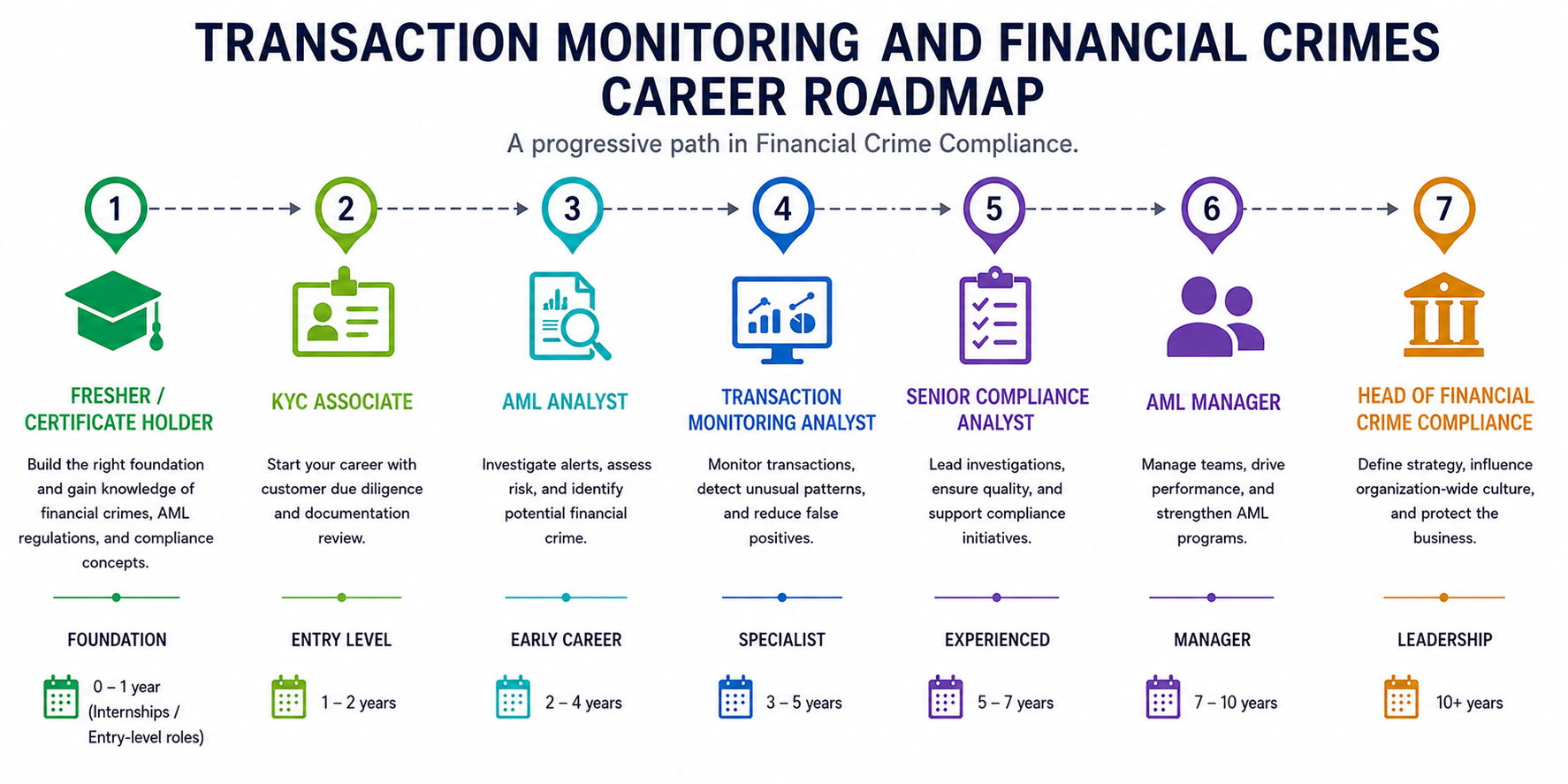
Transaction Monitoring and Financial Crime Compliance is one of the most in-demand and recession-proof career tracks in BFSI domain today. As regulators tighten scrutiny and financial crime grows more sophisticated, institutions are actively seeking certified compliance professionals at every level.

Job Role Industry Avg. Salary (India) Experience Level
KYC Analyst / Associate Banking, Fintech ₹3.5 – ₹6 LPA Fresher – 2 years
AML Compliance Analyst Bank, NBFC ₹5 – ₹9 LPA 2 – 4 years
Transaction Monitoring Officer Banking, Insurance ₹6 – ₹11 LPA 3 – 5 years
Compliance Manager Bank, Fintech, MNC ₹10 – ₹18 LPA 5 – 8 years
Financial Crime Investigator Consulting, Banking ₹8 – ₹15 LPA 4 – 7 years
Chief Compliance Officer Large Bank, MNC ₹25 – ₹50 LPA 10+ years

Transaction Monitoring and Financial Crimes Table of Contents

https://www.vskills.in/certification/transaction-monitoring-and-financial-crimes-table-of-contents

Transaction Monitoring and Financial Crimes Practice Test

https://www.vskills.in/practice/transaction-monitoring-financial-crimes

Transaction Monitoring and Financial Crimes Interview Questions

https://www.vskills.in/interview-questions/transaction-monitoring-and-financial-crimes-interview-questions

Companies that hire Vskills Transaction Monitoring and Financial Crimes Professionals

Financial institutions, banks, loan agencies, NBFCs as well as BPOs, KPOs are constantly hiring skilled CFT professionals for their compliance related tasks. Companies employing transaction monitoring professionals include KPMG, Genpact, Saxo Bank, Bank of America, HDFC Bank, etc.

Transaction Monitoring and Financial Crimes Related Blogs

Checkout the latest online blogs on Financial Monitoring and Financial Crimes.

Transaction Monitoring and Financial Crimes Jobs

Checkout the various job openings for Financial Monitoring and Financial Crimes, click here..

Transaction Monitoring and Financial Crimes Internships

Vskills runs its flagship internship program where bright interns work with academic council, click to know more details..

Domain Expert Interview Series


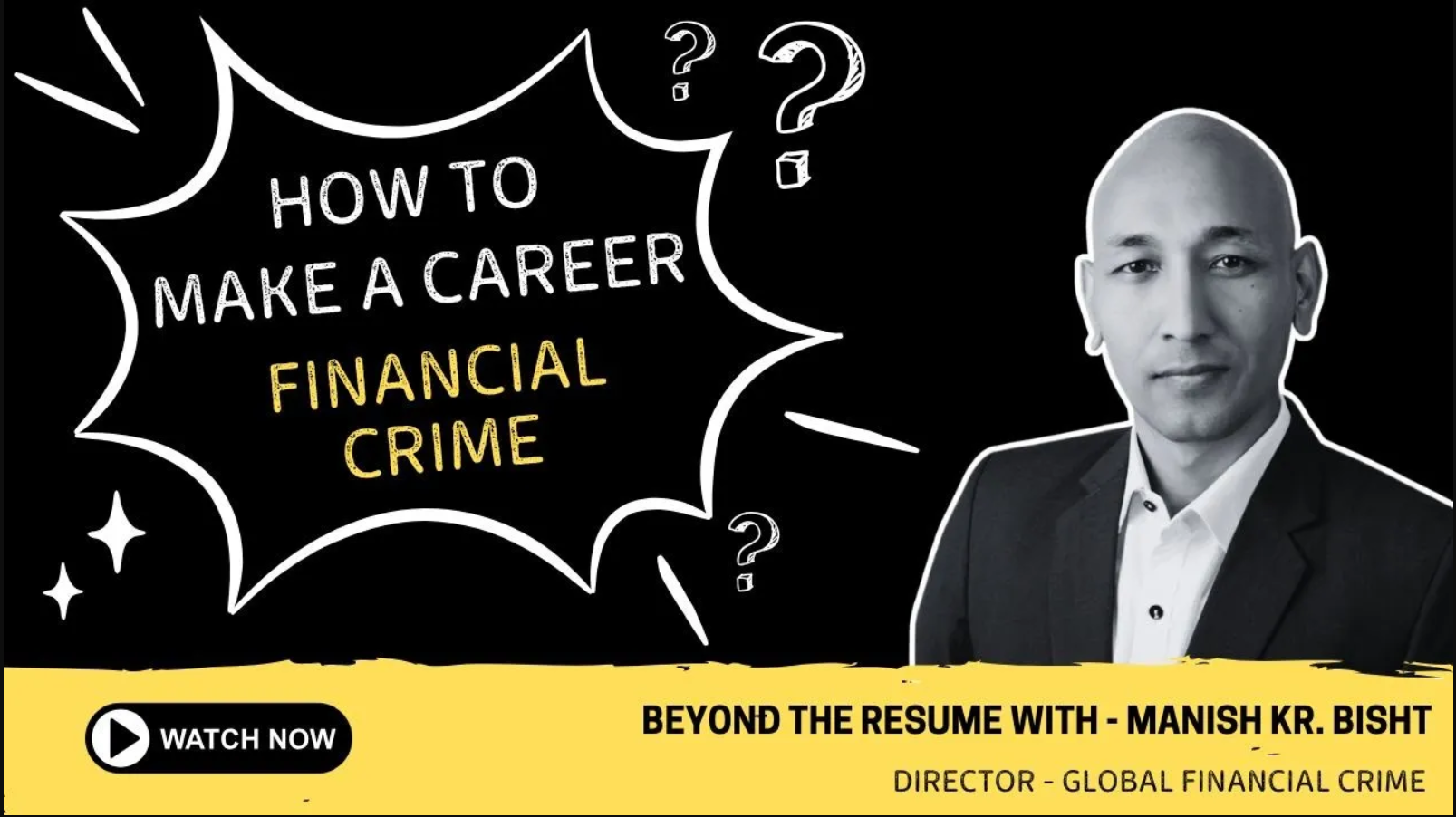
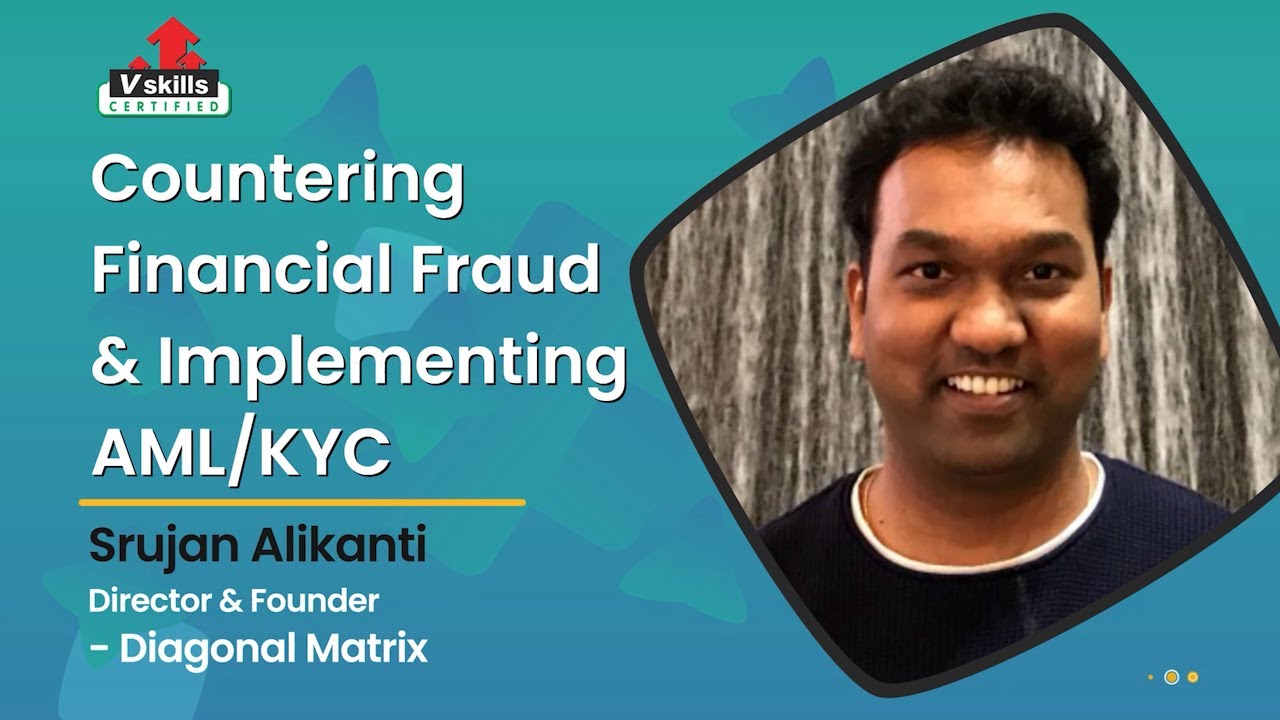
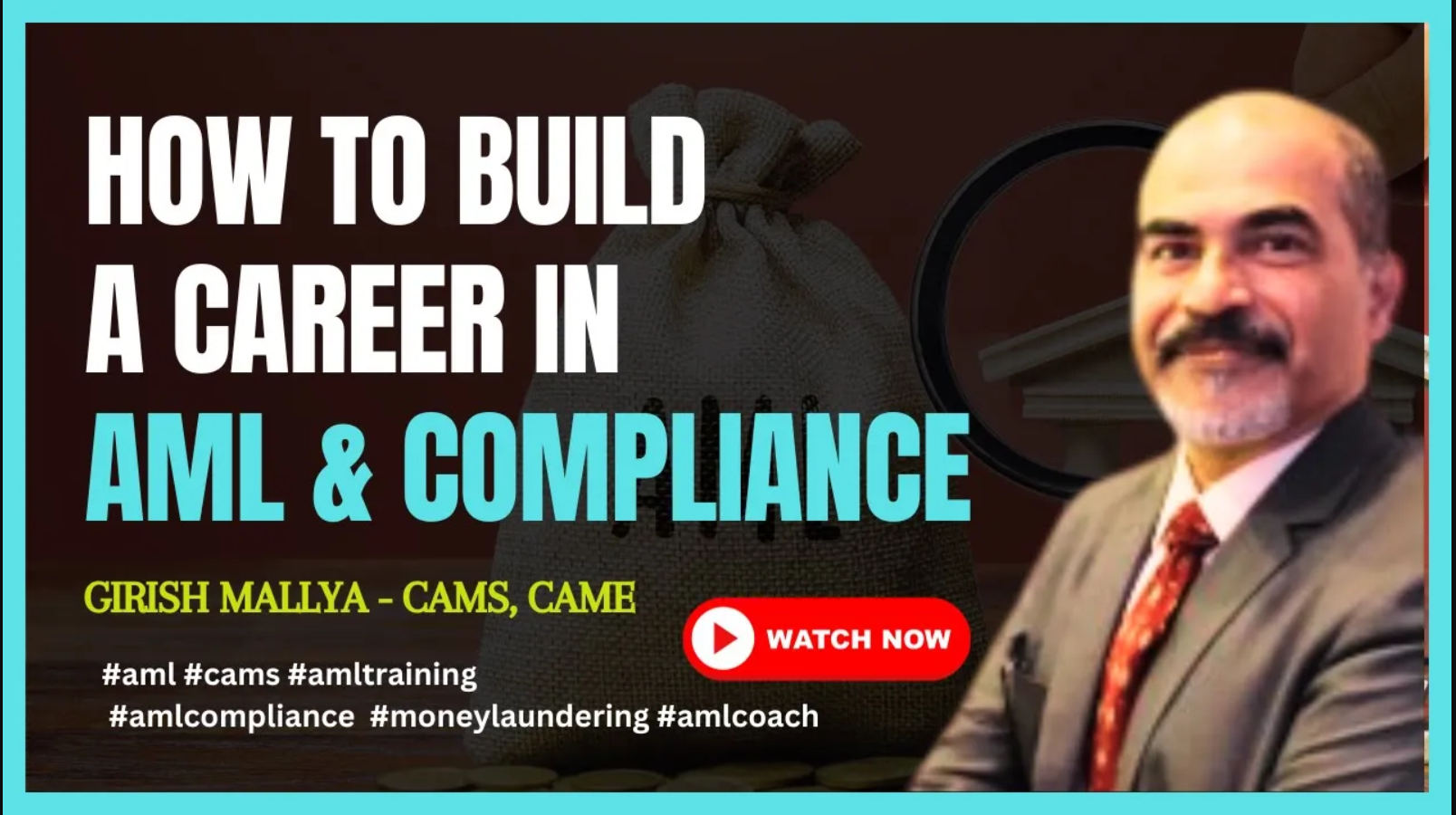
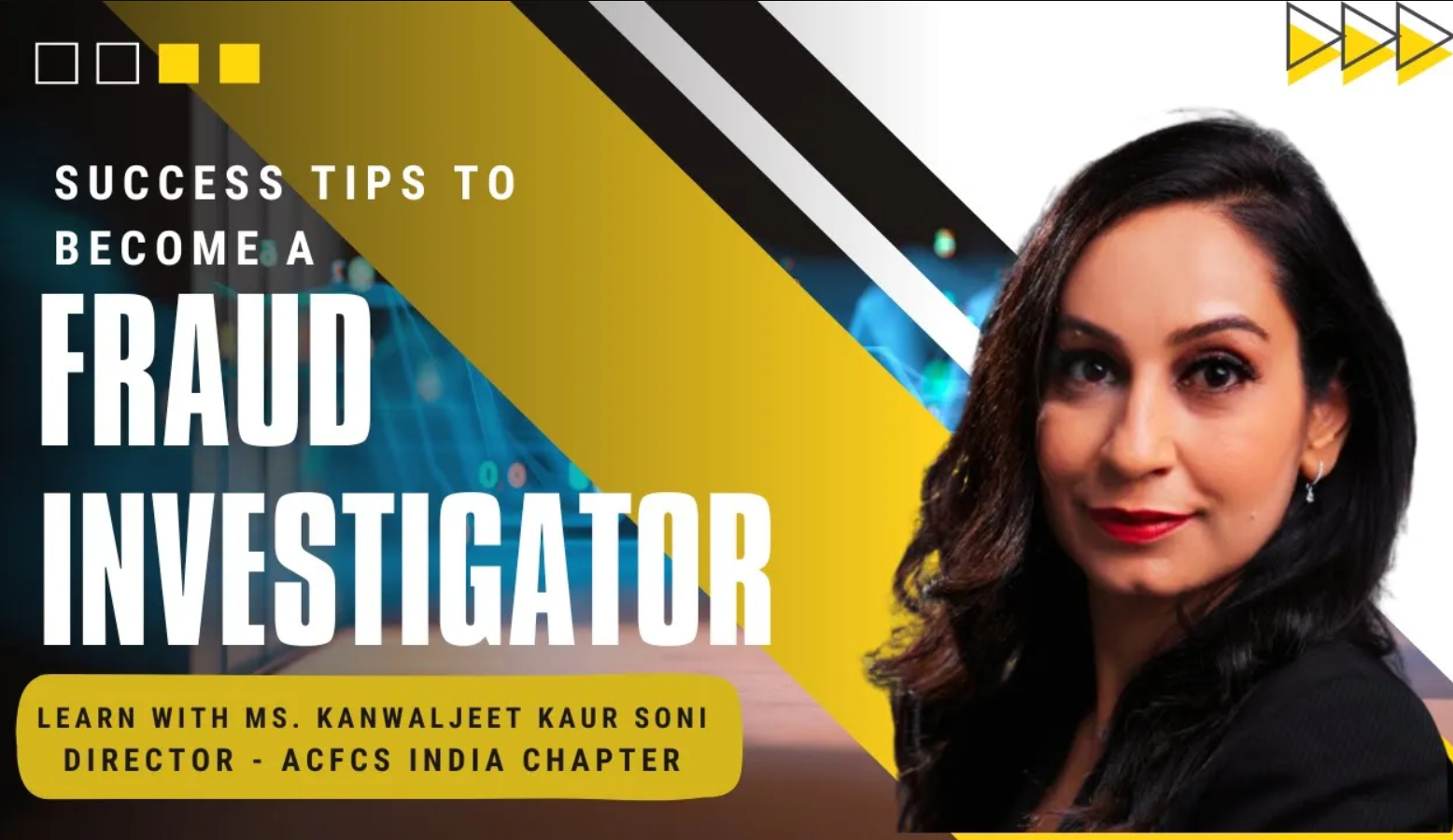
Interview with AML-KYC Expert - Mr. Vishwanath Chaganti How to become a successful Fraud Investigator | Learn with Industry Expert Kanwaljeet Kaur SoniHow to make a Career in Financial Crime | You Journey to Lean with Manish Kumar BishtLearn about AML-KYC Trends with Financial Fraud Countering Expert - Mr. Srujan Alikanti

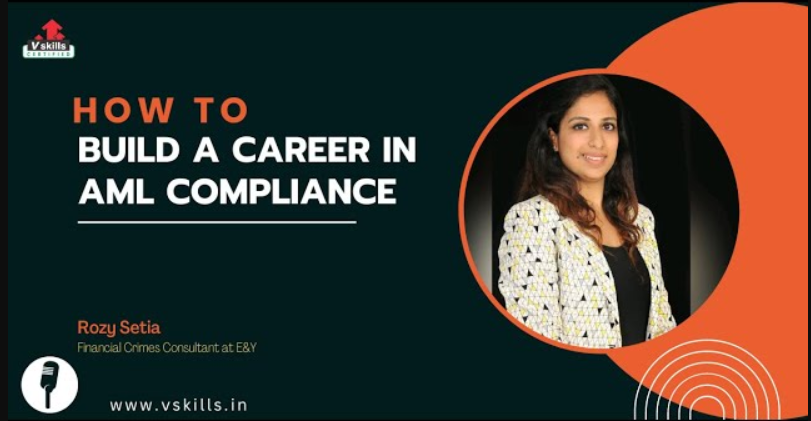
How to build a career in AML Compliance - Learn with Rozy SetiaFrom Learning to Leading: Expert Interview with Bipin Nair on Financial Crime ComplianceReal talk on AML KYC Careers and Growth | Expert Interview with Arpita Bedekar | Vskills Cert.How to Build a career in AML & Compliance | Learn with AML Coach - Girish Mallya 

Frequently Asked Questions

Find answers to common questions about the Vskills Transaction Monitoring and Financial Crimes Certification.

The certification validates your knowledge of transaction monitoring, anti-money laundering (AML), financial crime prevention, sanctions screening, suspicious activity detection, regulatory reporting, and compliance best practices used by banks and financial institutions.
This certification is ideal for AML analysts, KYC professionals, compliance officers, risk analysts, fraud investigators, banking professionals, financial crime specialists, and students seeking a career in compliance and financial crime prevention.
No. There are no mandatory prerequisites. Basic knowledge of banking, compliance, AML, or financial services can be helpful but is not required.
The certification covers AML regulations, transaction monitoring systems, red flags, suspicious transaction detection, sanctions screening, PEP monitoring, regulatory reporting, fraud typologies, risk assessment, and financial crime investigation techniques.
The exam is conducted online and can be taken from any location. Candidates can take the exam (within 1 year) at their convenience and complete it through the Vskills online examination platform.
Candidates must score the minimum passing score (25/50) to earn the certification. Detailed examination guidelines are provided upon enrollment.
Yes. Enrolled candidates are provided with online login access for study material, practice questions, designed to prepare them for the certification exam.
Yes. The certification helps professionals demonstrate expertise in transaction monitoring and financial crime compliance, making them more attractive to employers in banking, fintech, consulting, and financial services.
Vskills certifications are widely recognized by employers and are valued for validating practical skills and industry knowledge relevant to job roles.
The Vskills Transaction Monitoring and Financial Crimes Certification is valid for life and does not require periodic renewal.

Trusted Reviews for Vskills Transaction Monitoring & FC Certification

Build expertise in Transaction monitoring and financial crime prevention and start a rewarding career.

4.9
★★★★★

Based on 20k+ verified learner reviews

★★★★★

Very practical coverage of transaction monitoring and AML concepts. Got shortlisted for two compliance roles within a month of earning this certificate.

- Sumit Parihar
★★★★★

The RBI compliance and PEP monitoring modules are extremely relevant to real banking operations. Study material is clear and well-organised.

- Vandan Singh
★★★★☆

This certification gave me the formal credential I always needed in financial crime compliance. The exam is straightforward and the best part — it is valid for life with no renewals

- Fahad Alam
★★★★★

Convenient online exam and solid coverage of financial crime prevention concepts. A great credential that my manager also appreciated.

- Saloni Deshmukh

TABLE OF CONTENT


Intro to Financial Crime compliance

  • The financial crime landscape
  • Key stakeholders: regulators, FIUs, banks
  • Cost of financial crime — global & India
  • Rules-based vs risk-based approach
  • Three lines of defence model
  • Role of the MLRO / compliance officer

Money Laundering Concept and Typologies

  • Defination and economic impact
  • Process of Money Laundering
  • Money Laundering Methods
  • Trade-based money Laundering (TBML)
  • Shell Companies, smurfing
  • Terrorism Financing (CFT)
  • Proliferation Financing
  • Case Studies

Financial Crimes - Types & Risk

  • Definition and scope
  • Fraud, bribery, cybercrime, tax evasion, insider trading
  • Financial crime risk assessment
  • Financial crime controls
  • Perpetrators: individual, organised crime, state actors

Regulatory and Legal Framework

  • FATF recommendations, grey/black lists
  • PMLA 2002
  • RBI master directions on KYC & AML
  • FIU-India mandate
  • FinCEN (USA), 6AMLD (EU), AUSTRAC
  • International cooperation
  • Sanctions regimes: OFAC, UN, EU

KYC and Customer Due Diligence

  • KYC — purpose, principles, requirements
  • Customer identification program (CIP)
  • Standard CDD, EDD, simplified DD
  • PEPs
  • Beneficial ownership and UBO
  • Ongoing monitoring of customer relationships
  • Customer risk scoring
  • KYC refresh and periodic review

Transaction Monitoring - Foundations

  • Purpose and regulatory basis of TM
  • TM within AML control framework
  • Rule-based vs risk-based monitoring
  • Transactional profiling
  • Monitoring thresholds and segmentation
  • Name screening
  • Sanctions screening
  • Transaction laundering
  • Data quality and system integration

Transaction Monitoring Systems and Operations

  • Bank approaches to TM architecture
  • Batch vs real-time monitoring
  • Scenario design and typology mapping
  • Alert generation logic and scoring
  • False positive rates
  • System tuning and threshold calibration
  • AI and machine learning in TM
  • TM governance and model validation

Alert Management and Investigation

  • The alert lifecycle: generation to disposition
  • Alert triage and prioritisation
  • Sources used in AML investigations
  • Step-by-step alert investigation process
  • Escalation protocols and case management
  • Link analysis and relationship mapping
  • Investigation challenges
  • Best practices

Regulatory reporting

  • STR/SAR decision-making framework
  • Safe harbour and tipping-off prohibitions
  • STR filing — FIU-India XML format
  • SAR reporting — FinCEN
  • CTR, CCR, NTRs
  • Account-based & transaction-based data files
  • Common errors in regulatory reporting

Law Enforcement Interaction

  • Communicating with law enforcement
  • Production orders, freezing orders, warrants
  • Law enforcement investigations 
  • Account restriction and closure 
  • Managing customer relationships post-disclosure
  • Document preservation obligations

Emerging Risks & Future Trends

  • Virtual assets, crypto, and DeFi
  • Fintech, neobanks, and regulatory perimeter
  • AI-driven financial crime: deepfakes, synthetic identity
  • Cross-border correspondent banking risks
  • ESG and financial crime convergence
  • Future of RegTech in AML

Case Studies & Practical Application

  • ML investigation case study
  • Sanctions breach case study
  • Alert investigation simulation exercise
  • STR filing practical exercise
  • Exam preparation and practice questions

Write a review

Please login or register to review

 For Support