Certified Corporate Social Responsibility Professional

How It Works

  1. 1. Select Certification & Register
  2. 2. Receive Online e-Learning Access (LMS)
  3. 3. Take exam online anywhere, anytime
  4. 4. Get certified & Increase Employability

Test Details

  • Duration: 60 minutes
  • No. of questions: 50
  • Maximum marks: 50, Passing marks: 25 (50%).
  • There is NO negative marking in this module.
  • Online exam.

Benefits of Certification


$49.00 /-
Download Brochure

Corporate Social Responsibility (CSR) has evolved from a voluntary business practice into a strategic imperative, with companies across India and globally integrating social, environmental, and ethical accountability into their core operations. The Vskills Certified Corporate Social Responsibility Professional certification is designed to validate your expertise in CSR frameworks, regulation, compliance, and stakeholder engagement. Whether you are entering the field or looking to formalize your existing knowledge, this government-recognized certification gives you the credibility and competitive edge that today's employers actively seek.

Why Choose Vskills Corporate Social Responsibility Certification?

Vskills is India's largest certification body, and its CSR certification stands out for both its depth and recognition. Certified candidates are listed on India's leading job portals, giving their profiles direct visibility with active recruiters. All certified candidates also gain lifelong e-learning access, free practice tests, and placement support through Vskills' Job Centre, which regularly shares candidate CVs with its network of hiring organizations. The curriculum is built around real industry needs, covering everything from CSR law under the Companies Act 2013 to stakeholder engagement, sustainability reporting, and corporate governance — making it immediately applicable in the workplace.

Who Should Enroll?

This certification is suited for a wide range of candidates across industries and career stages. HR and compliance professionals who are responsible for managing or reporting CSR activities within their organization will find this certification directly relevant to their current role.

  • Sustainability managers and ESG (Environmental, Social, and Governance) professionals looking to establish formal credentials in CSR policy and practice will benefit from the structured curriculum.
  • Fresh graduates and MBA students from business, law, public policy, or social work backgrounds who wish to build a career in CSR or non-profit management are well positioned to get certified early and strengthen their profile.
  • NGO professionals and development sector practitioners seeking to bridge the gap between grassroots work and corporate partnerships will gain valuable insight into how corporates approach CSR strategy and compliance.
  • Working professionals from any domain who want to transition into CSR, sustainability, or stakeholder relations roles can use this certification to demonstrate intent and competence to prospective employers.

What You Will Learn?

The certification covers a comprehensive body of knowledge essential for any CSR professional. You will gain a solid understanding of CSR regulation and laws in India, including the mandatory CSR provisions under Section 135 of the Companies Act 2013. The curriculum walks you through the various approaches to CSR — from philanthropic models to integrated sustainability strategies — and explains how the Triple Bottom Line framework of people, planet, and profit guides modern corporate decision-making. You will learn how companies develop and manage stakeholder engagement plans, maintain their license to operate, and build reputational capital through responsible business conduct. The course also covers risk management as it relates to social and environmental liability, brand differentiation through CSR, supplier relations, and the role of corporate social entrepreneurship. Ethics and corporate governance are explored in depth, giving you a strong foundation in the principles that underpin responsible business behavior.

Course Table of Contents

Chapter 1. Corporate Social Responsibility (Foundations)

  • Introduction to CSR 
  • CSR Approaches and Traditional Carroll Pyramid
  • Codes and Standards on CSR
  • CSR vs ESG: Definitions, Differences and Convergence
  • National Guidelines on Responsible Business Conduct
  • UN Sustainable Development Goals

Chapter 2. Laws of CSR

  • Laws - Section 135, Companies Act 2013
  • CSR Crises and Consequences
  • Stakeholder Priorities 
  • Industries Considered Void of CSR
  • History of CSR Legislation 
  • Schedule VII — Eligible CSR Activities
  • CSR Impact Assessment — Rules & Methodology
  • CSR Penalty Provisions and Enforcement
  • International Legal Frameworks

Chapter 3. Social License to Operate

  • Triple Bottom Line (People, Planet, Profit)
  • Risk Management
  • Brand Differentiation through CSR 
  • Stakeholder Engagement Plan 
  • Supplier Relations / Supply Chain CSR 
  • Common Types of CSR Actions 
  • Climate Risk Disclosure
  • Materiality Assessment

Chapter 4. Role of Private Companies

  • Modern Corporations 
  • Ownership and Control 
  • Accountability 
  • Stakeholder Capitalism and the Purpose-Driven Corporation 
  • B-Corp Certification and Benefit Corporation Models 

Chapter 5. Types of CSR

  • Ethical CSR 
  • Administrative / Philanthropic CSR 
  • Individuals Within Organisations 
  • Constituency / Community Relations 
  • Accountability Standards 
  • Environmental CSR: Climate, Biodiversity, Net Zero Commitments 
  • Diversity, Equity and Inclusion (DEI) as CSR 
  • Human Rights Due Diligence (HRDD)

Chapter 6. Phases of CSR

  • The Four Phases of CSR Evolution 
  • Current State of CSR in India 
  • Importance of Corporate Social Responsibility 
  • CBRE CSR Case Study
  • CSR as Competitive Advantage 
  • Fifth Phase: ESG Integration and Mandatory Sustainability Reporting

Chapter 7. Objectives and Theoretical Frameworks of CSR

  • Carroll's CSR Pyramid
  • Social Capital and CSR
  • Research Objectives and Study Significance 
  • Shared Value Creation
  • Systems Thinking and CSR

Chapter 8. CSR and Reputational / Financial Capital

  • Reputational Capital
  • CSR and Corporate Financial Performance
  • Perceived Organisational Performance and CSR
  • ESG Ratings and Scoring
  • Sustainable Finance and Green Bonds in India
  • Greenwashing

Chapter 9. Business Ethics and CSR

  • History of Business Ethics
  • Ethical Principles and Theories
  • Functional Business Areas and Ethics
  • Ethical Issues in CSR
  • AI Ethics and Responsible Technology as CSR
  • Digital Privacy and Data Protection

Chapter 10. Corporate Governance and CSR

  • Principles of Corporate Governance
  • Corporate Governance Models
  • OECD Principles of Corporate Governance 2023 
  • Board CSR Committee
  • ESG Governance
  • Anti-Corruption Compliance

Chapter 11. CSR Reporting 

  • Social Accounting, Auditing and Reporting
  • CSR Reporting History
  • Disclosure Requirements
  • BRSR 
  • BRSR Core
  • GRI Universal Standards 2021
  • ISSB Standards
  • Integrated Reporting (IR) Framework
  • CSR Annual Report

Chapter 12. CSR in India

  • CSR History in India
  • Indian CSR Models
  • Indian CSR Initiatives
  • Indian Regulatory Regime
  • MCA CSR Portal
  • CSR in India
  • Role of Implementing Agencies
  • CSR and Climate Action in India

Chapter 13. CSR Motives, Principles and Entrepreneurship

  • Principles of CSR
  • Regulation as CSR Driver 
  • Corporate Social Entrepreneur
  • Impact Measurement and Management (IMM)
  • CSR Strategy

Chapter 14. Case Studies

  • Coca-Cola CSR Case Study 
  • Walmart (Supply Chain CSR)
  • Apple Environmental Case Study
  • HPCL, IOCL Case Studies 
  • Taj Hotels Case Study
  • Infosys / Wipro / TCS
  • Mahindra Group
  • Greenwashing Case Studies

Chapter 15. ESG Frameworks and Reporting 

  • Introduction to ESG
  • Global ESG Reporting Landscape
  • BRSR Walkthrough
  • Carbon Accounting
  • ESG Data Management
  • Third-Party Assurance of ESG Reports

Chapter 16. Environmental Sustainability and Climate Action 

  • Climate Science for CSR Professionals
  • Net Zero Strategies
  • Circular Economy, Waste Management and Extended Producer Responsibility
  • Water Stewardship and Biodiversity

Exam and Certification Details

DetailInformation
Exam FormatOnline — attempt from anywhere, anytime
Number of Questions50 multiple-choice questions
Duration60 minutes
Passing Score25 out of 50 (50%) — no negative marking
Certificate ValidityLifetime — no renewal required
e-Learning AccessLifetime access to LMS and future content updates
ResultInstant — available immediately after exam completion
LanguageEnglish

Career Outcomes for Certified Professionals

Earning the Vskills Corporate Social Responsibility Professional certification positions you for a growing range of roles across the corporate, non-profit, and public sectors. With CSR spending now a legal mandate for qualifying companies under the Companies Act 2013, organizations across industries are actively building dedicated CSR teams. Certified professionals bring both the strategic understanding and compliance knowledge that employers need, making this credential a strong asset whether you are starting out or moving into a senior sustainability role.

Job Role Industry Avg. Salary (INR per annum)
CSR Executive / CSR Officer Corporate, PSU, NGO ₹3 – ₹6 LPA
CSR Manager Corporate, Consulting ₹8 – ₹15 LPA
Sustainability Analyst Corporate, BFSI ₹6 – ₹12 LPA
ESG Reporting Specialist MNC, Consulting Firms ₹10 – ₹18 LPA
Corporate Affairs Executive Large Enterprises ₹6 – ₹10 LPA
Community Relations Manager PSU, Infrastructure, FMCG ₹7 – ₹12 LPA
CSR Compliance Officer Corporate, Legal Firms ₹6 – ₹10 LPA
Head of Sustainability / CSR Head Large Corporates, MNCs ₹20 – ₹40 LPA
CSR Consultant Consulting, Advisory Firms ₹10 – ₹20 LPA
Program Manager – CSR NGO, Implementation Agencies ₹8 – ₹14 LPA

Companies that hire Vskills Certified CRS Professionals

  • Large Corporates & Conglomerates — Tata Group, Mahindra & Mahindra, Larsen & Toubro, ITC Limited, and Aditya Birla Group hire professionals for CSR compliance, program management, and community engagement.
  • IT & Technology Companies — Infosys, Wipro, HCL Technologies, and Tech Mahindra recruit CSR managers and ESG specialists for their large-scale social and environmental initiatives.
  • FMCG & Consumer Brands — Hindustan Unilever, Nestlé India, and Godrej Group hire professionals to manage community programs, sustainability reporting, and supply chain CSR.
  • Banking & Financial Institutions — HDFC Bank, ICICI Bank, Axis Bank, and SBI maintain dedicated CSR departments hiring compliance officers and program coordinators.
  • Public Sector Undertakings (PSUs) — ONGC, NTPC, BHEL, Coal India, and SAIL are among India's largest CSR spenders and employ entire teams for planning and executing CSR activities.
  • Consulting & Advisory Firms — Deloitte, KPMG, PwC, and EY hire ESG and CSR consultants to advise corporates on sustainability strategy and regulatory reporting.
  • NGOs & Implementation Agencies — Development organizations partnering with corporates on CSR project delivery look for candidates who understand both social impact and corporate compliance.

Corporate Social Responsibility Tutorial

http://vskills.in/certification/tutorial/management/certified-corporate-social-responsibility-professional/

Corporate Social Responsibility Sample Questions

https://www.vskills.in/certification/corporate-social-responsibility-professional-sample-questions

Corporate Social Responsibility Practice Tests

https://www.vskills.in/practice/corporate-social-responsibility

Corporate Social Responsibility Interview Questions

https://www.vskills.in/interview-questions/human-resources-interview-questions/corporate-social-responsibility-interview-questions

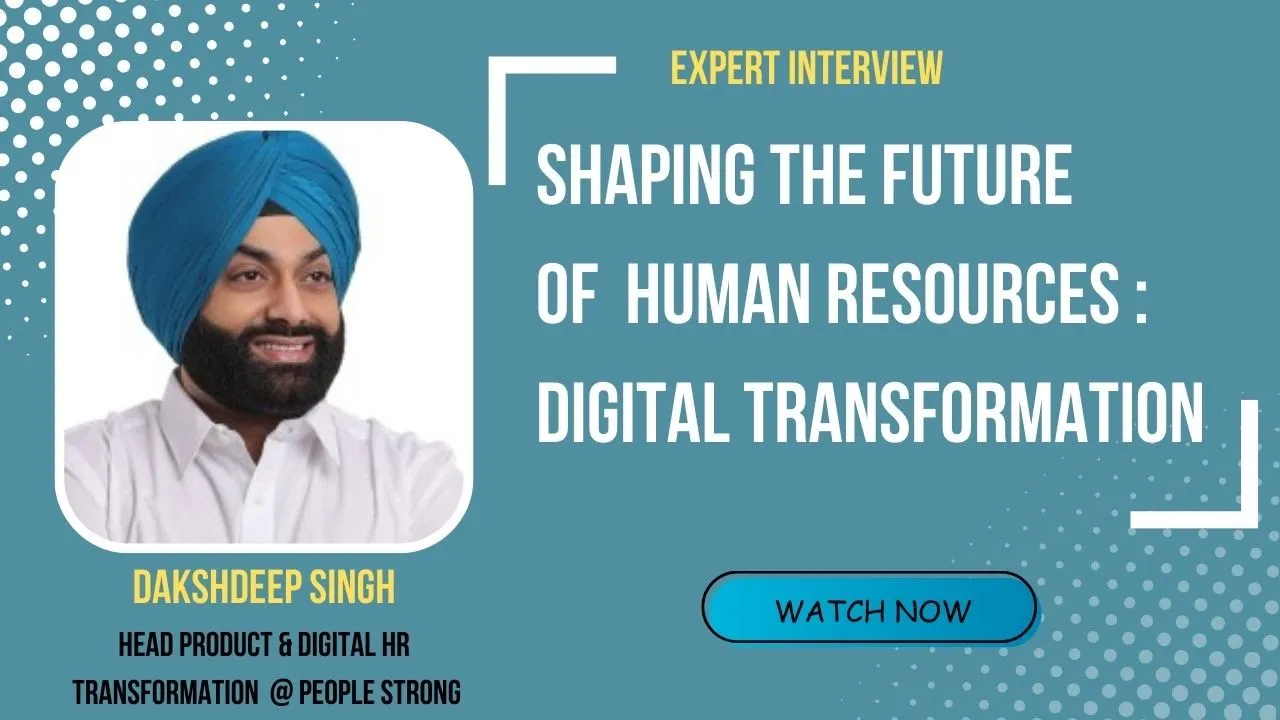
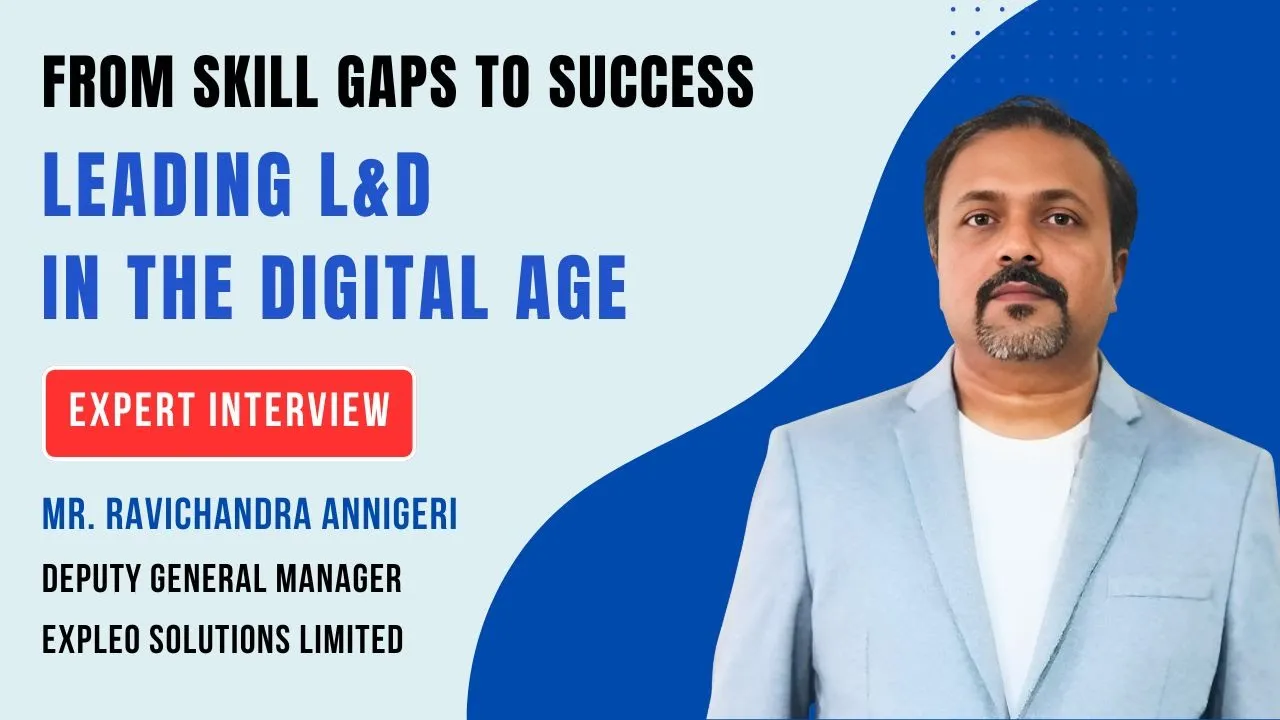
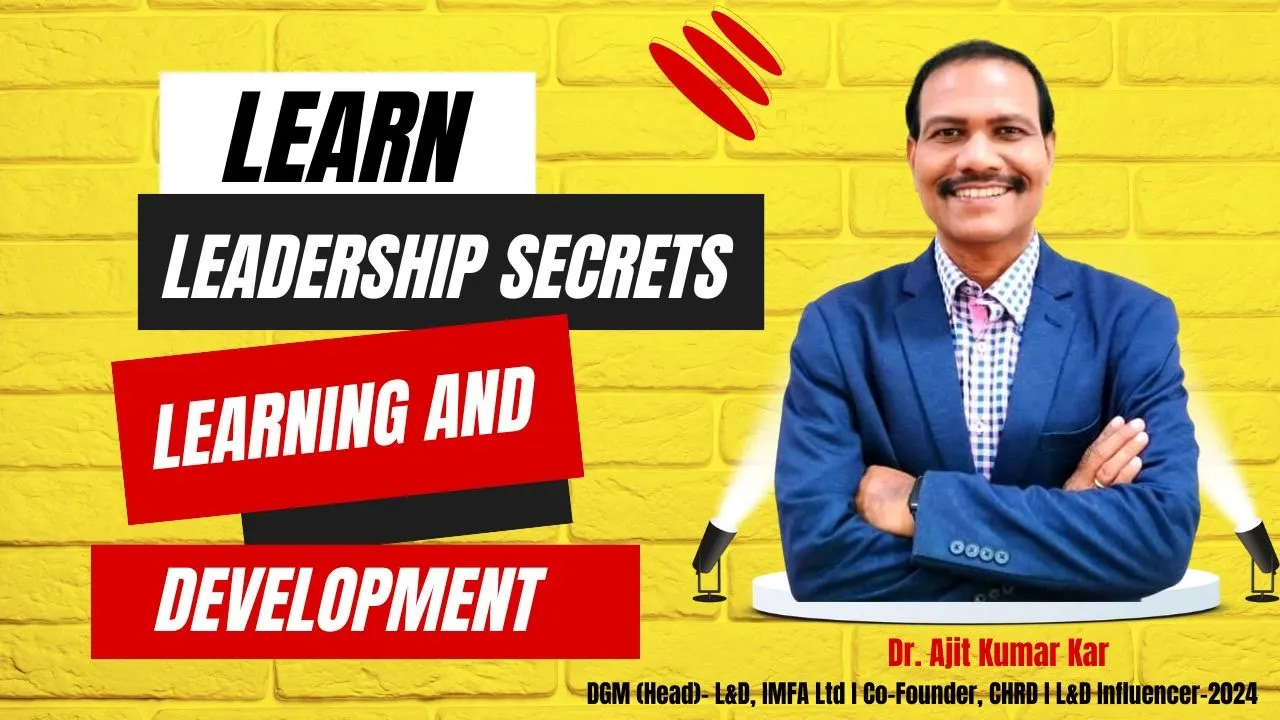
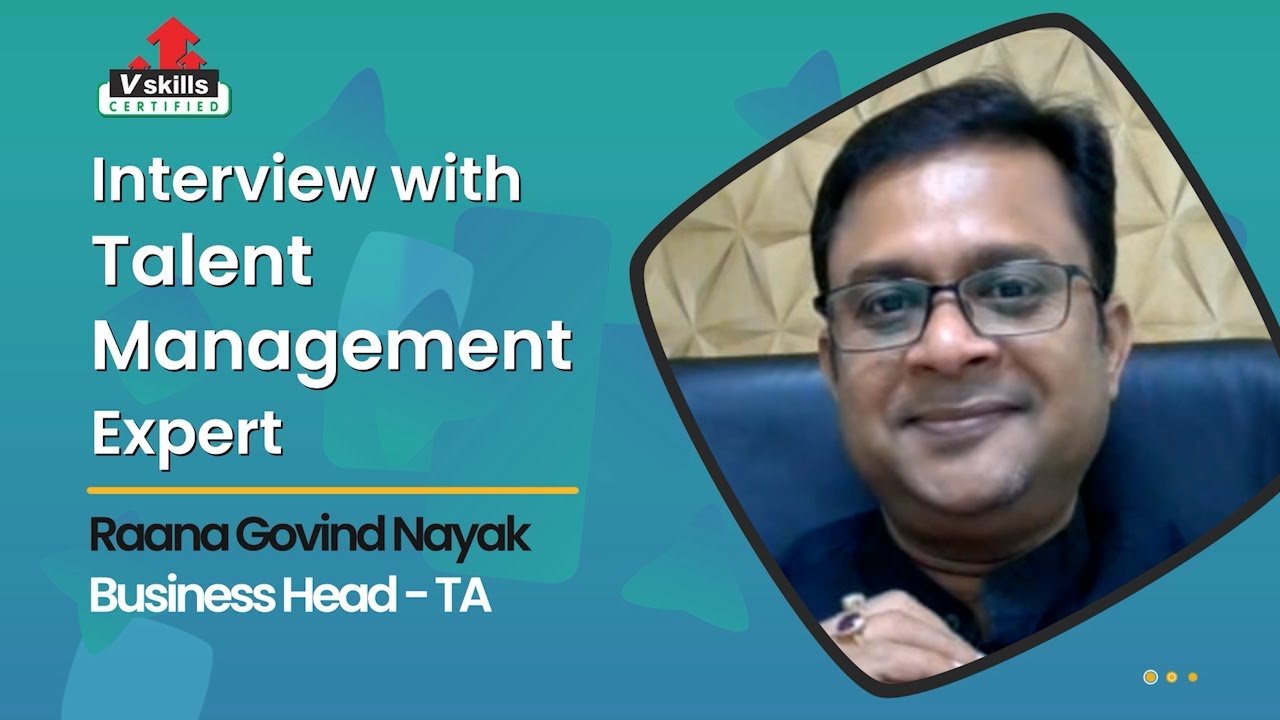
HR Expert Interview Series

How to Become a Talent Acquisition Specialist Learn with Navin Patel (TA Head - Affine) | Vskills Secret to Corporate Training Success | Transforming L&D | Adarsh Tandon - Head Business Training Shaping the Future of HR: Learn Digital Transformation - Dakshdeep Singh | Senior VP  @peoplestrong  Top 5 Skills to Succeed in Learning and Development: Learn to lead with Mr. Ravichandra Annigeri

Secrets to Success: Building Future Leaders with Dr. Ajit Kumar Kar Future of Hiring: Expert Insights on Talent Acquisition - Learn Trends & Pro Tips with Aditya Singh How to Succeed as an HR Business Partner | Strategies for Success | Insights from Krupa Yati @ NEPA How to build a  Career in Training & Development | Sumesh Khatua | KPMG -Director Talent Development

What are the qualities employers look for while hiring | Learn with Mr. Raana Govind NayakDifference between the role of a HRBP and HR specialist? | Learn with Ms Kalpana Munusamy What is the role of HR Business Partner in HR? | Learn with HRBP Expert | Dr. Manish Chandel Interview with Talent Management Expert - Ms. Debalina Roy

Corporate Social Responsibility Certification – Frequently Asked Questions

Get answers about eligibility, exam pattern, career scope, validity, jobs and enrolment for Vskills Certified Corporate Social Responsibility Professional.

The Vskills Corporate Social Responsibility Certification is a government-recognized professional credential that validates a candidate's knowledge in CSR regulation, compliance, stakeholder engagement, business ethics, and corporate governance.
This certification is suitable for graduates, MBA students, HR and compliance professionals, sustainability managers, NGO professionals, and anyone looking to build or advance a career in CSR, ESG, or corporate sustainability roles.
There is no strict eligibility requirement. Any graduate or working professional with an interest in corporate social responsibility can apply. It is equally suited for freshers and experienced professionals looking to formalize their CSR knowledge.
The exam covers a wide range of topics including CSR regulation and laws, the Companies Act 2013, Triple Bottom Line framework, stakeholder engagement, CSR approaches and types, reputational capital, risk management, brand differentiation, supplier relations, corporate social entrepreneurship, business ethics, and corporate governance.
The exam is conducted online at Vskills' proctored testing centers across India. It consists of multiple-choice questions designed to test both theoretical knowledge and practical understanding of CSR concepts.
The exam consists of 50 multiple-choice questions to be completed in 60 minutes. Each correct answer carries one mark, and there is no negative marking.
The Vskills CSR certification is valid for life. Once certified, candidates do not need to renew or reappear for the exam to retain their credential.
Upon enrollment, candidates receive access to comprehensive online learning material along with a hard copy study guide. The online material is regularly updated to reflect current industry standards and is accessible for a lifetime, even after the exam is completed.
Yes, Vskills provides free practice tests to help candidates assess their preparation level before the actual exam. These are available through the Vskills practice test portal and closely mirror the pattern and difficulty of the actual exam.
Vskills shares the CVs of all certified candidates with its network of hiring organizations on a regular basis. Certified professionals are also tagged as Vskills Certified, increasing their visibility to active recruiters looking for CSR talent.
Yes, the Vskills CSR certification is widely recognized by employers across the corporate, public sector, and consulting industries in India. Being a government-backed credential, it carries strong credibility with recruiters and hiring managers evaluating candidates for CSR and sustainability roles.
Yes, Vskills offers an exam retake option for candidates who do not clear the exam in their first attempt. The retake can be purchased through the Vskills website, and the fee for retaking the exam is just ₹799 + GST.

Trusted Reviews for Vskills CSR Certification

Build expertise in CSR regulation, corporate governance, stakeholder engagement, sustainability reporting and business ethics.

4.9
★★★★★

Based on 21k+ verified learner reviews

★★★★★

Very well structured certification. Covers CSR laws, stakeholder engagement and corporate governance in a clear and practical way. Highly recommended for HR and compliance professionals.

- Divya Deshraj
★★★★★

As a fresh MBA graduate, this certification helped me stand out in job applications. The curriculum on CSR strategy, Triple Bottom Line and business ethics gave me a strong foundation.

- Monimala Benerjee
★★★★

Good course for anyone working in the development sector. Helped me understand how corporates approach CSR compliance and what they expect from implementation partners.

- Saumil Nair
★★★★★

Comprehensive coverage of CSR regulation under the Companies Act 2013 and ESG reporting frameworks. The lifetime validity and government recognition make it a worthwhile investment.

- Rohani Das

 
TABLE OF CONTENTS

Chapter 1. Corporate Social Responsibility (Foundations)

  • Introduction to CSR 
  • CSR Approaches and Traditional Carroll Pyramid
  • Codes and Standards on CSR
  • CSR vs ESG: Definitions, Differences and Convergence
  • National Guidelines on Responsible Business Conduct
  • UN Sustainable Development Goals

Chapter 2. Laws of CSR

  • Laws - Section 135, Companies Act 2013
  • CSR Crises and Consequences
  • Stakeholder Priorities 
  • Industries Considered Void of CSR
  • History of CSR Legislation 
  • Schedule VII — Eligible CSR Activities
  • CSR Impact Assessment — Rules & Methodology
  • CSR Penalty Provisions and Enforcement
  • International Legal Frameworks

Chapter 3. Social License to Operate

  • Triple Bottom Line (People, Planet, Profit)
  • Risk Management
  • Brand Differentiation through CSR 
  • Stakeholder Engagement Plan 
  • Supplier Relations / Supply Chain CSR 
  • Common Types of CSR Actions 
  • Climate Risk Disclosure
  • Materiality Assessment

Chapter 4. Role of Private Companies

  • Modern Corporations 
  • Ownership and Control 
  • Accountability 
  • Stakeholder Capitalism and the Purpose-Driven Corporation 
  • B-Corp Certification and Benefit Corporation Models 

Chapter 5. Types of CSR

  • Ethical CSR 
  • Administrative / Philanthropic CSR 
  • Individuals Within Organisations 
  • Constituency / Community Relations 
  • Accountability Standards 
  • Environmental CSR: Climate, Biodiversity, Net Zero Commitments 
  • Diversity, Equity and Inclusion (DEI) as CSR 
  • Human Rights Due Diligence (HRDD)

Chapter 6. Phases of CSR

  • The Four Phases of CSR Evolution 
  • Current State of CSR in India 
  • Importance of Corporate Social Responsibility 
  • CBRE CSR Case Study
  • CSR as Competitive Advantage 
  • Fifth Phase: ESG Integration and Mandatory Sustainability Reporting

Chapter 7. Objectives and Theoretical Frameworks of CSR

  • Carroll's CSR Pyramid
  • Social Capital and CSR
  • Research Objectives and Study Significance 
  • Shared Value Creation
  • Systems Thinking and CSR

Chapter 8. CSR and Reputational / Financial Capital

  • Reputational Capital
  • CSR and Corporate Financial Performance
  • Perceived Organisational Performance and CSR
  • ESG Ratings and Scoring
  • Sustainable Finance and Green Bonds in India
  • Greenwashing

Chapter 9. Business Ethics and CSR

  • History of Business Ethics
  • Ethical Principles and Theories
  • Functional Business Areas and Ethics
  • Ethical Issues in CSR
  • AI Ethics and Responsible Technology as CSR
  • Digital Privacy and Data Protection

Chapter 10. Corporate Governance and CSR

  • Principles of Corporate Governance
  • Corporate Governance Models
  • OECD Principles of Corporate Governance 2023 
  • Board CSR Committee
  • ESG Governance
  • Anti-Corruption Compliance

Chapter 11. CSR Reporting 

  • Social Accounting, Auditing and Reporting
  • CSR Reporting History
  • Disclosure Requirements
  • BRSR 
  • BRSR Core
  • GRI Universal Standards 2021
  • ISSB Standards
  • Integrated Reporting (IR) Framework
  • CSR Annual Report

Chapter 12. CSR in India

  • CSR History in India
  • Indian CSR Models
  • Indian CSR Initiatives
  • Indian Regulatory Regime
  • MCA CSR Portal
  • CSR in India
  • Role of Implementing Agencies
  • CSR and Climate Action in India

Chapter 13. CSR Motives, Principles and Entrepreneurship

  • Principles of CSR
  • Regulation as CSR Driver 
  • Corporate Social Entrepreneur
  • Impact Measurement and Management (IMM)
  • CSR Strategy

Chapter 14. Case Studies

  • Coca-Cola CSR Case Study 
  • Walmart (Supply Chain CSR)
  • Apple Environmental Case Study
  • HPCL, IOCL Case Studies 
  • Taj Hotels Case Study
  • Infosys / Wipro / TCS
  • Mahindra Group
  • Greenwashing Case Studies

Chapter 15. ESG Frameworks and Reporting 

  • Introduction to ESG
  • Global ESG Reporting Landscape
  • BRSR Walkthrough
  • Carbon Accounting
  • ESG Data Management
  • Third-Party Assurance of ESG Reports

Chapter 16. Environmental Sustainability and Climate Action 

  • Climate Science for CSR Professionals
  • Net Zero Strategies
  • Circular Economy, Waste Management and Extended Producer Responsibility
  • Water Stewardship and Biodiversity

Write a review

Please login or register to review

 For Support